


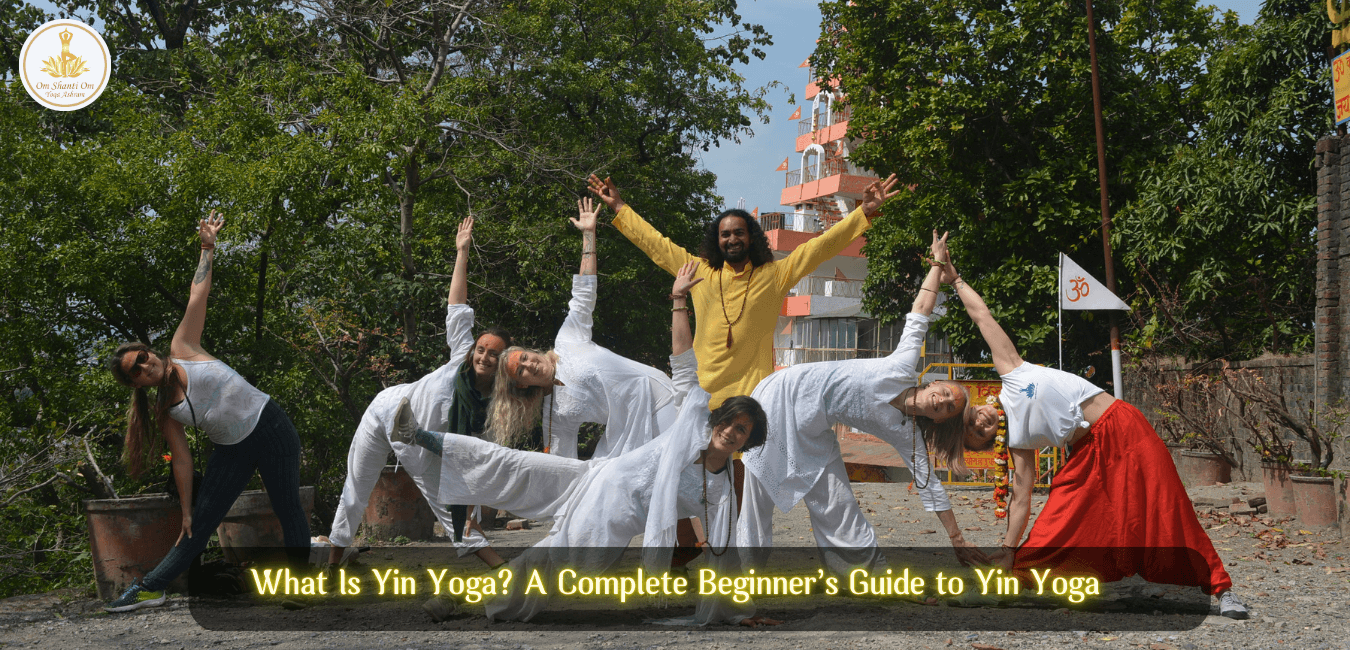
Yin Yoga is a meditative and therapeutic yoga practice that focuses on long-held postures and deep stretches. With its growing popularity worldwide, Yin Yoga has become a powerful tool for improving flexibility, joint health, and mental well-being.
In this article, you’ll learn what Yin Yoga is, its key characteristics, health benefits, beginner-friendly poses, and how it differs from other yoga styles. Whether you are new to yoga or an experienced practitioner, this guide will help you deepen your understanding and practice of Yin Yoga.
What Is Yin Yoga?
Yin Yoga is a slow-paced style of yoga where poses are held for longer durations, typically 1 to 5 minutes or even more. Unlike dynamic yoga styles that focus on muscle engagement, Yin Yoga targets the connective tissues—including ligaments, joints, fascia, and bones.
Rooted in the principles of Traditional Chinese Medicine (TCM), Yin Yoga works on the body’s energy meridians, helping improve the flow of vital energy (Qi) and restore balance within the body.
Yin Yoga evolved from Taoist yoga traditions and was later refined with modern anatomical understanding. The practice emphasizes stillness, patience, and mindfulness, making it both physically therapeutic and mentally calming.

Key Characteristics of Yin Yoga
1. Passive Postures with Long Holds
One of the defining features of Yin Yoga is the use of passive poses. Muscles are relaxed, allowing gravity to gently deepen the stretch. This approach helps access deeper tissues that are often overlooked in active yoga styles.
2. Focus on Connective Tissues
Yin Yoga places gentle stress on connective tissues, encouraging them to become stronger, healthier, and more flexible over time. This supports joint mobility and long-term musculoskeletal health.
3. Meditative and Mindful Practice
Holding poses for several minutes allows space for introspection and mindfulness. Practitioners observe sensations, thoughts, and emotions without judgment, making Yin Yoga a deeply meditative experience.
Benefits of Yin Yoga
Physical Benefits
-
Improves flexibility and mobility
-
Enhances joint health and lubrication
-
Supports spinal health
-
Helps prevent injuries by balancing active practices
-
Stimulates internal organs and circulation
Mental and Emotional Benefits
-
Reduces stress and anxiety
-
Encourages emotional balance and patience
-
Improves focus and mental clarity
-
Supports better sleep and relaxation
-
Helps calm the nervous system
Regular Yin Yoga practice creates a harmonious balance between body, breath, and mind.
Yin Yoga vs. Other Yoga Styles
Yin Yoga vs. Dynamic Yoga (Vinyasa & Ashtanga)
-
Vinyasa Yoga focuses on flowing movements and breath coordination.
-
Ashtanga Yoga follows a fixed sequence to build strength and stamina.
-
Yin Yoga emphasizes stillness, deep stretching, and relaxation.
Why Yin Yoga Is the Perfect Complement
Yin Yoga complements active styles by:
-
Releasing muscular tension
-
Improving recovery
-
Supporting injury prevention
-
Enhancing flexibility and joint resilience
Practicing both Yin and Yang styles creates a balanced and sustainable yoga routine.
Who Can Benefit from Yin Yoga?
Yin Yoga is suitable for:
-
Beginners and experienced yogis
-
People with stiff hips or tight joints
-
Individuals seeking stress relief
-
Athletes needing recovery
-
Anyone wanting a calmer, slower yoga practice
Its adaptable nature makes it accessible for all ages and fitness levels.
Basic Yin Yoga Poses for Beginners
✔️ Butterfly Pose
Gently opens the hips and lower back. Hold for 3–5 minutes.
✔️ Child’s Pose
Calms the nervous system and stretches the hips, thighs, and spine.
✔️ Dragon Pose
A deep hip and groin opener, ideal for releasing stored tension.
✔️ Caterpillar Pose
Stretches the spine and hamstrings while promoting introspection.
✔️ Sphinx Pose
Strengthens and gently compresses the lower back.
✔️ Reclining Twist
Releases spinal tension and improves mobility.
✔️ Supported Bridge Pose
Opens the chest and hip flexors while promoting relaxation.
How to Incorporate Yin Yoga into Your Routine
Practice Tips
-
Start with 2–3 sessions per week
-
Practice in a quiet, calm environment
-
Use props like blocks, bolsters, or cushions
-
Focus on slow breathing and relaxation
Ideal Duration
-
Beginners: 30–45 minutes
-
Experienced practitioners: 45–60 minutes
-
Hold each pose for 3–5 minutes for maximum benefit
Final Thoughts: Why Practice Yin Yoga?
Yin Yoga offers a unique and powerful approach to yoga by combining deep stretching, mindfulness, and relaxation. By targeting connective tissues and calming the mind, it supports overall physical health and emotional balance.
Whether you want to improve flexibility, reduce stress, or balance an active yoga practice, Yin Yoga provides a gentle yet transformative path to wellness.
✨ Give Yin Yoga a try and experience its profound benefits for body and mind.







0 Comments
No comments yet. Be the first to comment!