


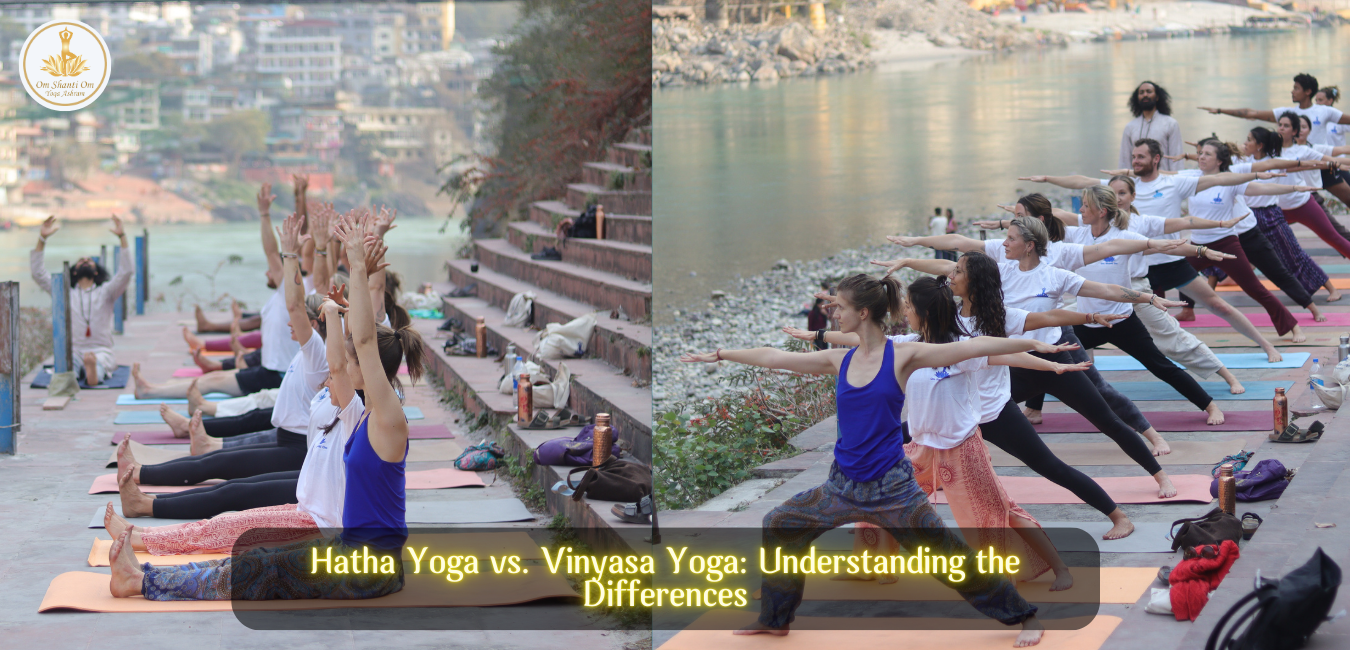
Yoga has become immensely popular worldwide, offering a variety of styles to suit different needs and preferences. Two of the most well-known styles are Hatha Yoga and Vinyasa Yoga. This article aims to provide a thorough comparison of these two styles, helping readers understand their differences, benefits, and which might be best suited for their individual goals.
What is Hatha Yoga?
Definition and Origins
Hatha Yoga is one of the oldest forms of yoga, dating back to India around the 15th century. The word "Hatha" comes from Sanskrit, meaning "force," and refers to the physical aspect of yoga practice. Hatha Yoga traditionally prepares the body and mind for meditation through physical postures, breath control, and concentration.
Core Principles
Hatha Yoga emphasizes static poses (asanas), breath control (pranayama), and proper alignment. Practitioners hold postures for extended periods to improve flexibility, strength, and concentration, making Hatha a more meditative and deliberate form of yoga.
Typical Class Structure
A typical Hatha Yoga class starts with a gentle warm-up, followed by a series of static postures targeting different parts of the body. Each posture is held for several breaths to enhance alignment and deepen the pose. Classes usually end with relaxation or a brief meditation session.
What is Vinyasa Yoga?
Definition and Origins
Vinyasa Yoga, often called "flow yoga," developed in the 20th century and emphasizes smooth transitions between poses synchronized with breath. The term "Vinyasa" means "to place especially," highlighting the fluid and dynamic nature of this practice.
Core Principles
The key principle of Vinyasa Yoga is the seamless integration of breath and movement. Each movement is linked to an inhale or exhale, creating a continuous, flowing sequence that enhances physical endurance and mental focus.
Typical Class Structure
A typical Vinyasa Yoga class involves flow sequences, like Sun Salutations, linking poses together dynamically. The intensity of Vinyasa Yoga can vary, but it generally involves continuous movement and transitions, making it more physically demanding than Hatha Yoga. Classes often conclude with a cool-down period and relaxation.
Key Differences Between Hatha Yoga and Vinyasa Yoga
The primary difference between Hatha Yoga and Vinyasa Yoga is the pace. Hatha Yoga features a slower, methodical pace, focusing on holding poses for 50-up longer durations. Vinyasa Yoga, in contrast, consists of dynamic, flowing sequences that keep the body in constant motion.
Breath and Movement
Breath control is essential in both styles but is applied differently. Hatha Yoga uses breath to deepen static poses and maintain stillness, while Vinyasa Yoga synchronizes breath with movement, creating a rhythmic, fluid practice.
Intensity and Physical Demand
Hatha Yoga's focus on holding poses can be challenging, but it generally offers a gentler approach compared to Vinyasa Yoga. Vinyasa Yoga's continuous movement and flow sequences make it more intense and physically demanding, often providing a cardiovascular workout.
Focus and Intent
Hatha Yoga emphasizes alignment, stillness, and inner reflection, making it suitable for those seeking a meditative and introspective practice. Vinyasa Yoga, with its focus on fluidity and flow, is ideal for individuals looking for a dynamic, energetic practice that also cultivates mental focus.
Benefits of Hatha Yoga
Physical Benefits
- Improved Flexibility, Strength, and Balance: Holding poses for extended periods enhances flexibility, builds muscle strength, and improves overall balance.
- Enhanced Posture and Alignment: The focus on alignment and proper form in Hatha Yoga leads to better posture and a reduced risk of injury.
Mental Benefits
- Stress Reduction and Mental Clarity: The meditative nature of Hatha Yoga promotes relaxation and reduces stress, leading to greater mental clarity.
- Increased Mindfulness and Focus: Practicing Hatha Yoga encourages mindfulness, helping practitioners become more aware of their bodies and breath.
Benefits of Vinyasa Yoga
Physical Benefits
- Cardiovascular Fitness and Muscle Toning: The continuous movement in Vinyasa Yoga boosts cardiovascular fitness and tones muscles.
- Improved Coordination and Endurance: The flowing sequences enhance coordination and build physical endurance.
Mental Benefits
- Enhanced Mental Agility and Focus: The dynamic nature of Vinyasa Yoga sharpens mental focus and agility.
- Effective Stress Relief Through Dynamic Movement: The physical exertion and rhythmic breathing in Vinyasa Yoga provide an effective outlet for stress and tension.
Choosing the Right Yoga Style for You
Assessing Personal Goals and Preferences
When choosing between Hatha Yoga and Vinyasa Yoga, consider your personal goals. If you seek relaxation and a meditative approach, Hatha Yoga might be the better choice. If you're looking for a dynamic workout that enhances fitness, Vinyasa Yoga could be more suitable.
Physical Condition and Experience Level
Your physical condition and experience level also play a role. Beginners or those with physical limitations may find Hatha Yoga's gentle approach more accessible. Conversely, Vinyasa Yoga might appeal to those with a higher fitness level or prior yoga experience.
Trying Both Styles
It's beneficial to try both Hatha and Vinyasa Yoga classes to see which style resonates with you. Each offers unique advantages, and experiencing both can help you make an informed decision.
Integrating Both Styles into Your Practice
Balancing Hatha and Vinyasa Yoga
Incorporating both Hatha and Vinyasa Yoga into your practice can provide a well-rounded yoga experience. Combining the meditative aspects of Hatha with the dynamic flow of Vinyasa allows you to reap the benefits of both styles.
Creating a Personalized Yoga Routine
Create a personalized yoga routine that blends elements of Hatha and Vinyasa Yoga. For example, you might start with a Hatha session to focus on alignment and breath control, then transition into a Vinyasa flow to build heat and cardiovascular fitness.
Hatha Yoga and Vinyasa Yoga each offer unique benefits and cater to different preferences and goals. Understanding the key differences between these styles can help you choose the best practice for your needs. Whether you prefer the meditative stillness of Hatha or the dynamic flow of Vinyasa, both styles can enhance your physical and mental well-being. Explore both to find your best fit and enjoy the diverse and enriching world of yoga.








0 Comments
No comments yet. Be the first to comment!