


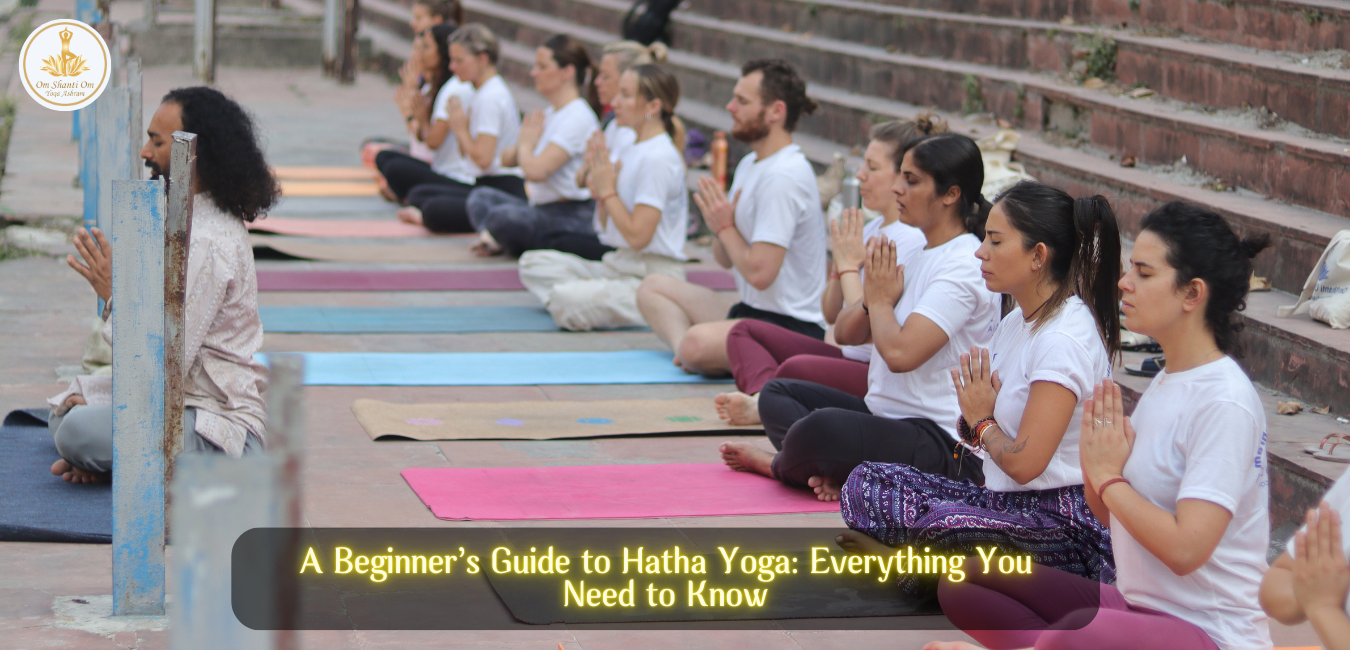
Hatha Yoga is a popular and accessible form of yoga that is perfect for beginners. This guide will help you understand the basics of Hatha Yoga, including its history, core principles, benefits, essential poses, and tips for starting your practice. Whether you are new to yoga or looking to deepen your knowledge, this article will provide the information you need to begin your Hatha Yoga journey confidently.
What is Hatha Yoga?
Definition and Meaning
Hatha Yoga focuses on physical postures (asanas) and breath control (pranayama) to prepare the body and mind for meditation. The term "Hatha" combines the Sanskrit words "Ha" (sun) and "Tha" (moon), symbolizing the balance of opposing forces within us. Unlike faster-paced yoga styles, Hatha Yoga is characterized by its slower, deliberate pace and emphasis on holding poses.
Historical Background
Hatha Yoga originated in ancient India, with foundational texts such as the "Hatha Yoga Pradipika" written by Yogi Swatmarama in the 15th century. This and other texts have shaped the practice over centuries. Key figures in modern Hatha Yoga include T. Krishnamacharya, often called the father of modern yoga, and his students B.K.S. Iyengar and Pattabhi Jois, who brought yoga to the Western world.
Principles of Hatha Yoga
Balance of Sun and Moon Energies
Hatha Yoga aims to balance the sun (Ha) and moon (Tha) energies within the body, harmonizing the physical and mental aspects of the practitioner and creating a state of equilibrium and well-being. Integration of Mind, Body, and Breath.
A central principle of Hatha Yoga is the holistic integration of mind, body, and breath. This ensures that physical movements are coordinated with breath control, fostering a deeper connection between body and mind.
Discipline and Practice
Hatha Yoga emphasizes the importance of regular practice and discipline. Consistent practice builds strength, flexibility, and mental clarity, leading to a more balanced and harmonious life.
Benefits of Hatha Yoga
Physical Benefits
- Improved Flexibility, Strength, and Balance: Hatha Yoga involves poses that enhance flexibility, build muscle strength, and improve balance.
- Enhanced Body Awareness and Alignment: Focusing on alignment and proper form helps practitioners maintain better posture and become more aware of their bodies.
- Reduced Stress and Anxiety: The meditative aspects of Hatha Yoga promote relaxation, reducing stress and anxiety.
- Improved Focus and Concentration: Synchronizing breath with movement enhances mental clarity and concentration.
- Increased Mindfulness and Inner Peace: Hatha Yoga encourages mindfulness and a deeper sense of inner peace.
- Connection to a Deeper Sense of Self: Regular practice helps practitioners connect with their inner selves and find a sense of purpose and tranquility.
Essential Hatha Yoga Poses for Beginners
Mountain Pose (Tadasana)
- Stand with your feet together, arms at your sides.
- Distribute your weight evenly across both feet.
- Engage your thigh muscles and lift your kneecaps.
- Lengthen your spine and lift your chest.
- Relax your shoulders and extend your arms downward.
Benefits: Mountain Pose improves posture, strengthens the legs, and increases body awareness.
Downward-Facing Dog (Adho Mukha Svanasana)
- Start on your hands and knees, with your wrists under your shoulders and knees under your hips.
- Spread your fingers wide and press into your palms.
- Lift your knees off the floor and extend your hips upward.
- Straighten your legs as much as possible and press your heels toward the floor.
- Keep your head between your arms and gaze at your navel.
Benefits: Downward-Facing Dog stretches the hamstrings, calves, and spine while strengthening the arms and shoulders.
Warrior I (Virabhadrasana I)
- Stand in Mountain Pose, then step your left foot back about 3-4 feet.
- Bend your right knee so it’s directly above your right ankle.
- Turn your left foot out slightly and press into the outer edge of your left foot.
- Raise your arms overhead, palms facing each other.
- Square your hips forward and hold the pose for several breaths.
Benefits: Warrior I strengthens the legs, opens the hips and chest, and improves balance and concentration.
Child’s Pose (Balasana)
- Kneel on the floor with your big toes touching and your knees spread wide.
- Sit back on your heels and extend your arms forward.
- Lower your torso between your thighs and rest your forehead on the floor.
- Relax your shoulders and breathe deeply.
Benefits: Child’s Pose gently stretches the hips, thighs, and ankles while promoting relaxation and stress relief.
Corpse Pose (Savasana)
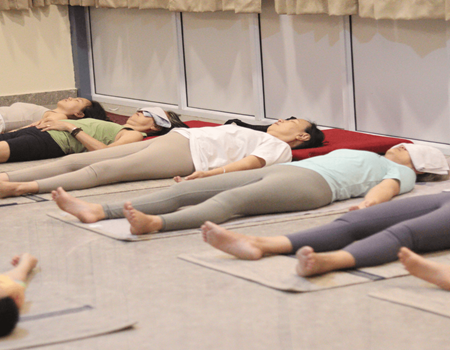
- Lie flat on your back with your legs extended and arms at your sides, palms facing up.
- Close your eyes and let your body relax completely.
- Breathe naturally and allow your mind to become still.
Benefits: Corpse Pose promotes deep relaxation, reduces stress, and helps integrate the benefits of your yoga practice.
Breath Control and Pranayama
- Importance of Breath in Hatha Yoga.
- Breath control is fundamental in Hatha Yoga, linking the mind and body. Proper breathing techniques enhance the effectiveness of poses and help maintain focus and calm.
Basic Pranayama Techniques
Introduction to Simple Breathing Exercises for Beginners:
- Diaphragmatic Breathing: Sit or lie down comfortably. Place one hand on your chest and the other on your abdomen. Inhale deeply through your nose, allowing your abdomen to rise. Exhale slowly through your mouth, letting your abdomen fall.
- Ujjayi Breath: Inhale deeply through your nose, slightly constricting the back of your throat to create a soft, ocean-like sound. Exhale through your nose, maintaining the same constriction and sound.
- Alternate Nostril Breathing (Nadi Shodhana): Sit comfortably and use your right thumb to close your right nostril. Inhale through your left nostril, then close it with your ring finger. Open your right nostril and exhale. Inhale through your right nostril, close it, and exhale through your left. Repeat.
Tips for Starting Your Hatha Yoga Practice
- Setting Up a Practice Space: Create a conducive environment at home for your yoga practice. Find a quiet, clean space with enough room to move freely. Use a comfortable yoga mat and keep props like blocks and straps nearby.
- Finding the Right Class or Instructor: Look for beginner-friendly Hatha Yoga classes in your area or online. Choose an instructor who emphasizes proper alignment and offers modifications for different skill levels.
- Listening to Your Body: Pay attention to your body’s signals and avoid overexertion. It’s important to practice with awareness and respect your limits to prevent injury.
- Consistency and Patience: Bild a regular yoga practice routine and be patient with your progress. Consistency is key to experiencing the benefits of Hatha Yoga.
Common Mistakes to Avoid
- Skipping Warm-ups and Cool-downs: Always begin your practice with a warm-up and end with a cool-down. These sequences prepare your body for the poses and help prevent injury.
- Ignoring Proper Alignment: Focus on maintaining correct posture and alignment in each pose. Proper alignment enhances the effectiveness of the poses and reduces the risk of strain or injury.
- Holding the Breath: Avoid holding your breath while practicing yoga. Maintain steady and deep breathing to support your movements and stay connected to your practice.
Hatha Yoga is an excellent practice for beginners, offering numerous physical, mental, and spiritual benefits. By understanding the basics of yoga, integrating essential poses, and following practical tips for starting your practice, you can embark on a rewarding yoga journey. Remember to listen to your body, practice regularly, and enjoy the process of self-discovery and growth. Feel free to share your experiences and ask questions as you explore the world of Hatha Yoga.









0 Comments
No comments yet. Be the first to comment!