


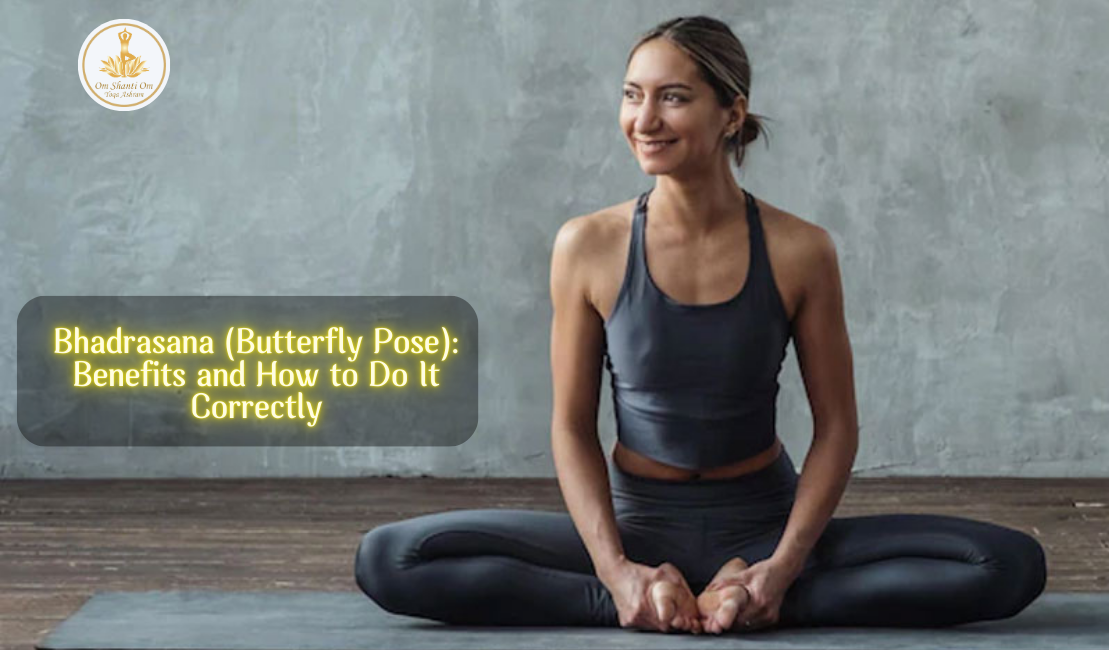
Bhadrasana, also known as the Butterfly Pose, is a popular yoga pose celebrated for its simplicity and effectiveness. This hip-opening yoga pose is favored by both beginners and experienced practitioners for its numerous physical and mental benefits. In this article, we will explore the benefits of Bhadrasana and provide a step-by-step guide on how to practice it correctly.
What is Bhadrasana?
Bhadrasana, or the Butterfly Pose, derives its name from the Sanskrit words "Bhadra," meaning "gracious" or "auspicious," and "Asana," meaning "pose." It is also referred to as the Throne Pose due to its regal, seated position. In Bhadrasana, the soles of the feet are pressed together while the knees are gently pressed towards the floor, resembling the wings of a butterfly in motion.
Benefits of Bhadrasana
Flexibility and Mobility
One of the primary benefits of Bhadrasana is its ability to enhance flexibility, particularly in the hips, groin, and inner thighs. Regular practice of this hip-opening yoga pose can significantly improve the range of motion in these areas, making it an excellent addition to any yoga routine focused on increasing flexibility.
Posture and Alignment
Practicing Bhadrasana helps in maintaining better posture and spinal alignment. By sitting upright and keeping the spine straight, practitioners can strengthen the muscles supporting the spine, which is essential for good posture.
Digestive Health
Bhadrasana stimulates the abdominal region, promoting better digestion. The gentle pressure on the abdomen can help massage the internal organs, aiding in the digestive process and alleviating issues such as bloating and constipation.
Stress Relief
The Butterfly Pose is known for its calming effects on the mind and body. By incorporating deep breathing and relaxation techniques, Bhadrasana can help reduce stress and anxiety, promoting a sense of tranquility and mental clarity.
Menstrual Health
For women, Bhadrasana can be particularly beneficial in alleviating menstrual discomfort. The pose helps in relaxing the pelvic region and improving blood circulation, which can ease menstrual cramps and support reproductive health.
Step-by-Step Guide to Doing Bhadrasana
- Before starting, ensure you have a comfortable yoga mat. You may also use props like cushions or blocks if needed for additional support.
- 1. Sit on the Mat: Begin by sitting on the mat with your legs extended straight in front of you.
- 2. Bend the Knees: Bend your knees and bring the feet towards your pelvis.
- 3. Join the Soles: Press the soles of your feet together and hold them with your hands.
- 4. Adjust Position: Bring your heels as close to the groin as possible, without causing discomfort.
- 5. Press the Knees: Gently press your knees down towards the floor, opening your hips.
- 6. Straighten the Spine: Keep your spine straight and shoulders relaxed.
- 7. Hold and Breathe: Hold the position, breathing deeply and evenly.
Duration
For beginners, start with holding the pose for 30 seconds to 1 minute. Advanced practitioners can hold the pose for up to 5 minutes or longer, depending on comfort and flexibility.
Breathing
Focus on deep, even breathing while in the pose. Inhale deeply through the nose, expanding the abdomen, and exhale slowly, allowing the body to relax further into the pose.
Modifications
For beginners or those with limited flexibility, place cushions or blocks under the knees for support. This helps in maintaining a comfortable position without straining the muscles.
Common Mistakes and How to Avoid Them
Rounded Back
One common mistake is rounding the back while in the pose. To avoid this, ensure that your spine is straight and your shoulders are relaxed. Engaging the core muscles can help maintain proper alignment.
Knee Position
Avoid forcing the knees down to the floor. Instead, gently press the knees down and allow gravity to do the work. Forcing the knees can cause strain and discomfort.
Foot Placement
Ensure that the soles of your feet are pressed together and close to the groin. Incorrect foot placement can lead to strain on the knees and hips.
Breathing
Remember to breathe deeply and evenly. Holding the breath can cause tension in the body and reduce the effectiveness of the pose.
Contraindications and Precautions
Injuries
Avoid practicing Bhadrasana if you have any hip, knee, or groin injuries. Consult with a healthcare provider before attempting the pose if you have any concerns.
Pregnancy
Pregnant women should practice Bhadrasana with caution and may need to modify the pose to accommodate their changing bodies. It is advisable to consult a healthcare provider or a qualified yoga instructor.
Medical Conditions
Individuals with certain medical conditions, such as sciatica or hernias, should consult a healthcare provider before practicing Bhadrasana.
Tips for Deepening the Pose
Advanced Variations
Experienced practitioners can explore advanced variations of Bhadrasana, such as folding forward from the hips to deepen the stretch.
Breath and Relaxation
Use deep breathing to relax further into the pose. With each exhale, allow your body to release any tension and sink deeper into the stretch.
Integration
Incorporate Bhadrasana into your regular yoga practice to maximize its benefits. Use it as a warm-up pose or as part of a sequence of hip-opening poses.
Bhadrasana, or the Butterfly Pose, offers numerous benefits, from improved flexibility and posture to stress relief and enhanced digestive health. By practicing this pose correctly and regularly, you can enjoy its many advantages for overall well-being. Remember to listen to your body, avoid common mistakes, and consult with a healthcare provider if you have any concerns. Share your experiences or ask questions in the comments section below to join the conversation.
Also Read: Padmasana or Lotus Pose






0 Comments
No comments yet. Be the first to comment!