

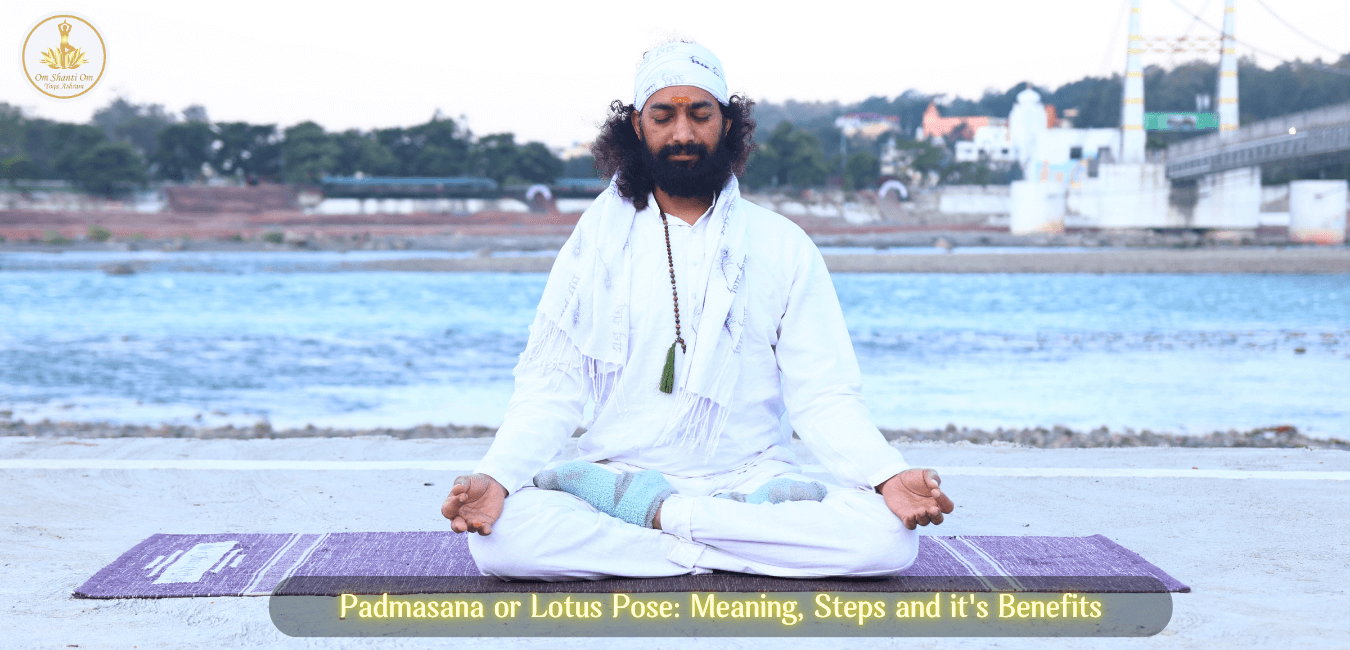
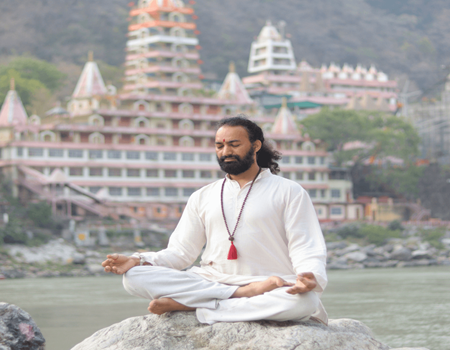
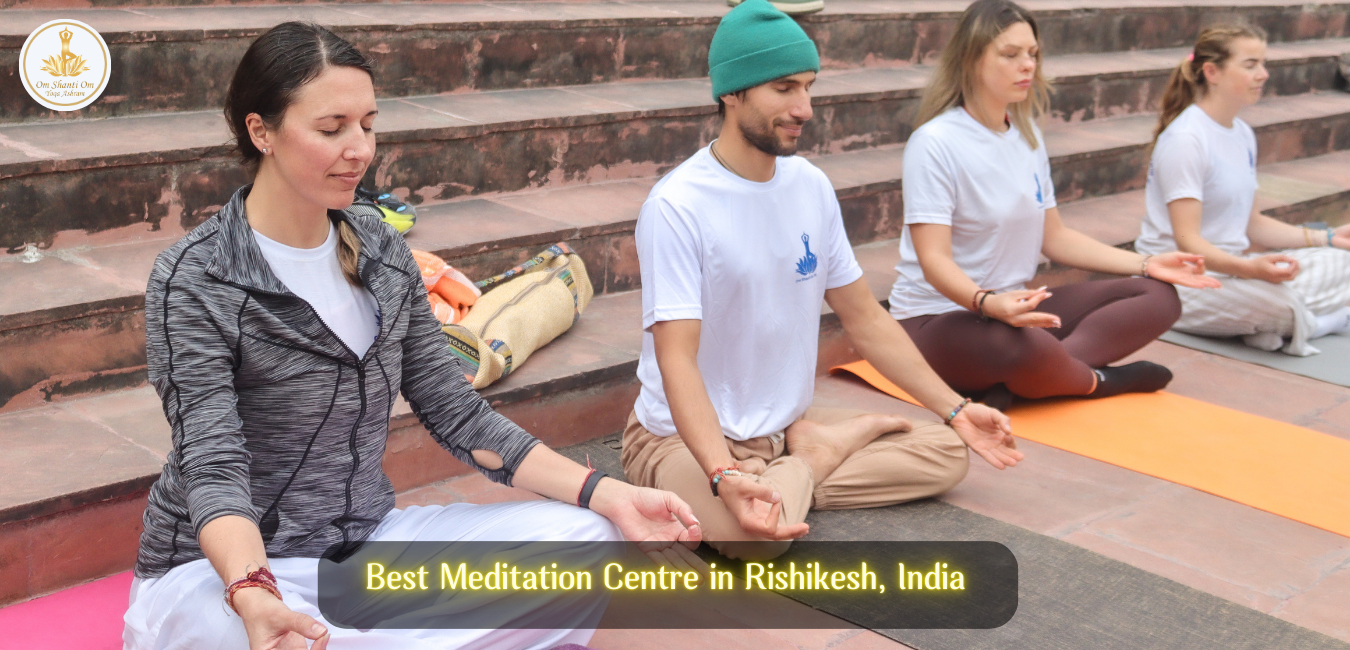
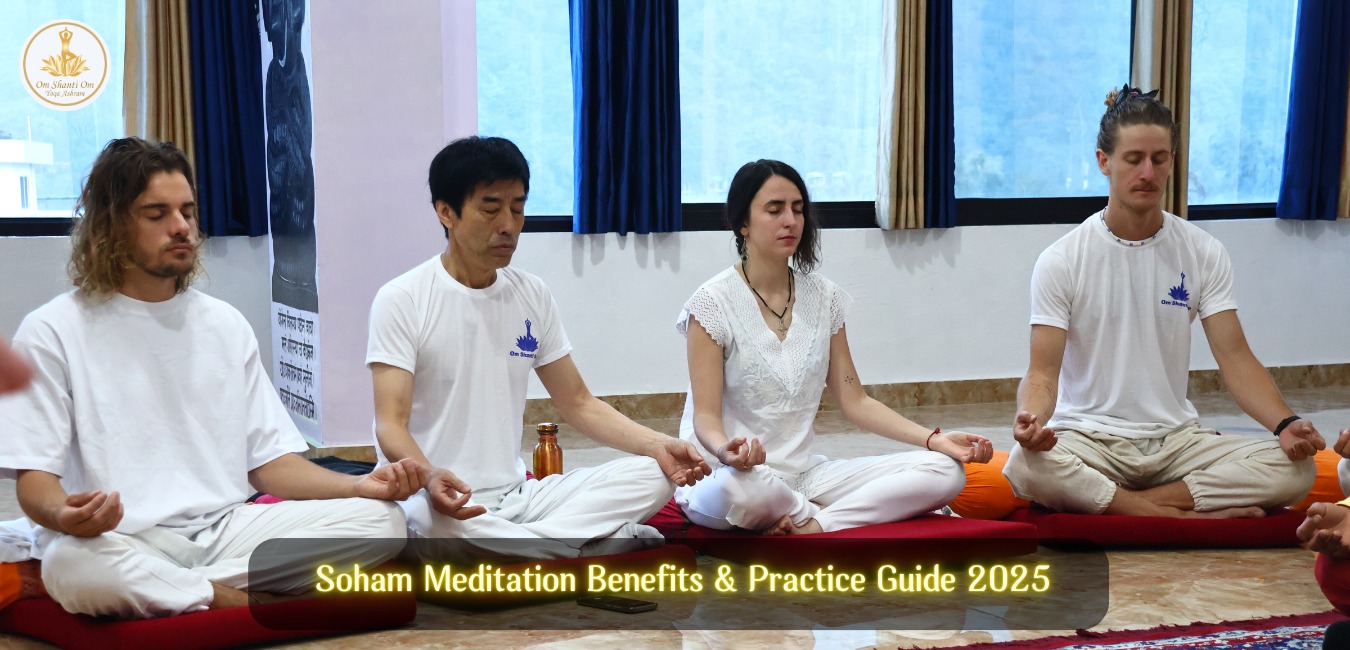
Padmasana or Lotus Pose is a cross-legged yoga pose that is mainly used to improve meditation by relaxing the mind and relieving most of the physical ailments. One factor that makes this pose a regular practice is that it helps in general blossoming of the person performing it, similar to lotus; hence the name Padmasana. This Lotus position is also associated with Vajra position of Chinese and Tibetan Buddhism.
How to do Padmasana (Lotus Position)
- This is done sitting on the floor or a mat with legs being spread in front of you but maintaining the spine straight.
- Bend the right knee and put it on the left thigh. Ensure that the sole of feet is upwards and the heel is near the abdomen.
- Now repeat the same process with the other foot.
- In mudra position, cross the legs and have the feet on different thighs and put the hands on the knees.
- Maintain a straight head and a straight back.
- Breath in and chest out, hold and continue.
Mudras for Padmasana (Lotus Position)
The mudras promote energy circulation of the body and their practice can be spectacular when Padmasana is used. Each mudra is not similar to another and so are their advantages. When you sit in Padmasana you may enhance your meditation using either Chin mudra, Chinmayi mudra, Adi mudra or Bhrama mudra. Take some minutes in the mudra and notice the energy circulation in the body.
What is the advantage of padmasana?
Padmasana is one of the basic yoga positions that have multiple physical or mental health advantages. Here are some of them:
1. Enhances flexibility
Padmasana mostly acts to open up hips or knees and ankles. Practice will contribute to the improvement of flexibility in these areas which will result in improved range of motion.
2. Makes the spine stronger and creates better posture
Padmasana (sitting in a straight position) entails having a straight spine that strengthens the back muscles and enhances proper posture. This should help in reducing back pain, which is the result of poor posture, the professional informs Health Shots.
3. Activates the stomach organs
The pose promotes the tall and straight position that could be helpful in maximizing the activity of the digestive organs. It can aid in the alleviation of digestive discomfort and healthy digestion.
4. Calms the mind
Padmasana has been a common meditation posture. The mind-centered sitting posture, with deep breathing, helps to relax the mind. It lessens stress and makes you more mentally focused.
5. Facilitates mindfulness
This solid and comfortable sitting pose is favorable to meditation. It enables the mind to go inwards, developing a state of meditation and encouraging mindfulness.
Beginner Tips to Perform Padmasana
In order to move into Lotus a thigh rotation out of the hip sockets is needed. The hip is a ball and socket joint that has a circular range of motion, which differ considerably depending on the individual and thus this posture is effortless to some individuals and not that easy to others. Be not judgmental, be not compulsory.
In this exercise, as you cross the foot over to the groin, you have to stretch the inner and outer ankles in both feet evenly. Never have one of your feet/legs overworked.
1. Explore the pose
When you cross your foot over your body and across onto your opposite inner thigh, you should have a straight pull on the inner and outer ankles in both feet. Do not have one side of your feet or legs overworked or strained. Use or lay on a prop, a block or a blanket, in case you are strained.
2. Be mindful
When you sit on Padmasana to perform a meditation or pranayama session, it is likely that you will cross your legs always in the same pattern every day. This may ultimately result in hip imbalances. When you frequently use this pose as a resting pose to meditate, change the cross of your legs every day. I have one easy way to make you remember to do so.
Wrapping Up
Finally, Lotus Pose is not only a physical practice but it is a deep-rooted practice to develop stillness and inner consciousness. Being conscious and done regularly, it can be an effective stimulus towards improving the overall health status and in maintaining a harmonious, tranquil way of living.
Padmasana or Lotus Pose is a cross-legged yoga pose that is mainly used to improve meditation by relaxing the mind and relieving most of the physical ailments. One factor that makes this pose a regular practice is that it helps in general blossoming of the person performing it, similar to lotus; hence the name Padmasana. This Lotus position is also associated with Vajra position of Chinese and Tibetan Buddhism.
Common Asked Questions
1. Knee or ankle injuries: Padmasana should be avoided in a person who has had an injury or whose ankle or knees are always painful because of the excessive strain on these joints. Coercing the pose may hurt the medial meniscus cartilage of the knee.
2. Pregnancy: Pregnant women who have complications must not use this pose as it exerts unnecessary pressure on the abdomen and the pelvic region.
3. Injuries to the hips or in the groin: People who have injuries in their hips or the groin are not to perform this pose, which may aggravate their case.
4. Sciatica: The pose may increase the symptoms of sciatica. Hence, it should not be used by people with this condition.
5. Recent surgery: The pose is not suitable for people who have had a recent knee, ankle or hip operation.
1. Damage of the knee: Pushing the knees in order to correct tight hips is an error that may intensely harm the knee cartilage (medial meniscus).
2. Ankle strain: The ligaments on the outside of the ankle can be overstretched by either collapsing the ankles inwards or forcing them to roll.
3. Back pain: Rounding the lower back rather than maintaining the spine straight may cause back pains and an incorrect posture.
4. Nerve pain: Persons having sciatica might have intensifying agony when they attempt the position.
1. Stability: The locked leg position forms an extremely stable base, which enables the body to be held erect and still within a long period of time with minimal exertion.
2. Energy movement: This yoga pose aids in stabilization and channeling the energy, referred to as prana, which is a crucial requirement in deep meditation.
3. Focus: The sitting upright posture and slow breathings are used to relax the mind, eliminate distractions and increase concentration.






0 Comments
No comments yet. Be the first to comment!