


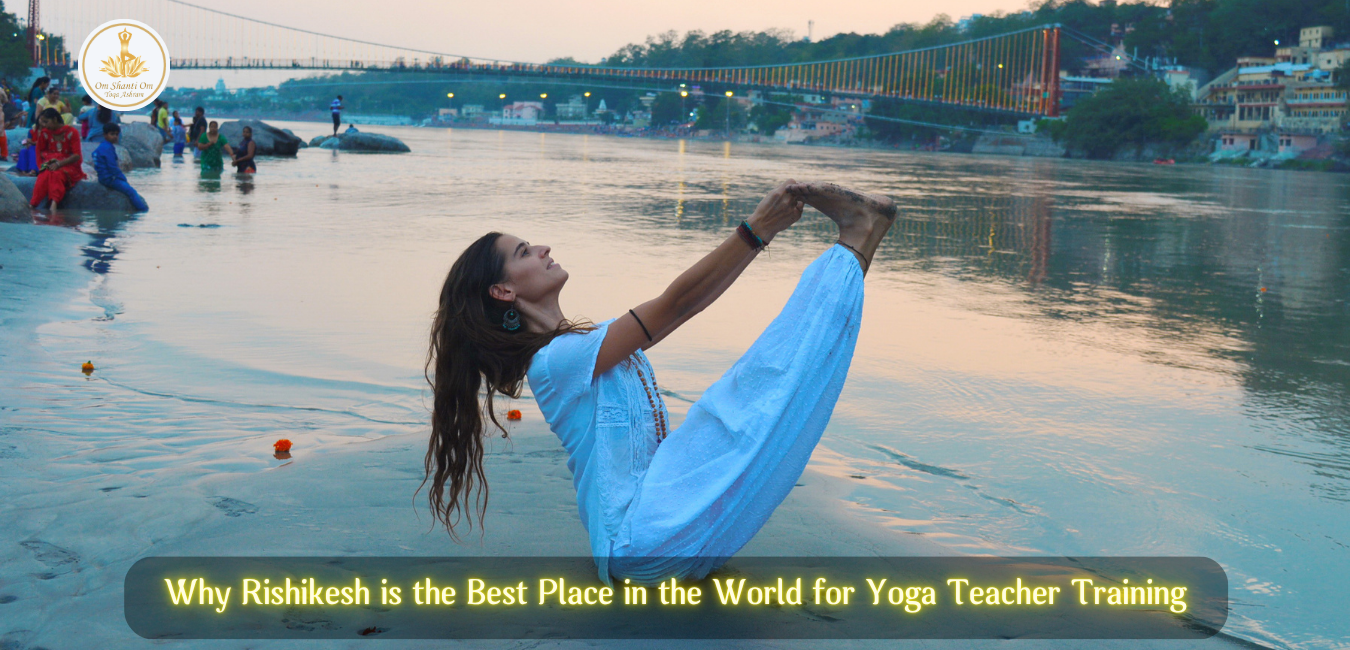
There is a moment that almost every yoga teacher remembers, the one where someone asked them where they trained. And if the answer was Rishikesh, the room shifted. Eyes widened. Nods of deep respect followed. Because in the world of yoga, Rishikesh isn't just a destination. It's the destination.
Nestled in the foothills of the Himalayas, where the sacred Ganges rushes cold and clear from the mountains, Rishikesh has been drawing seekers, sages, and spiritual wanderers for thousands of years. Long before yoga became a global wellness phenomenon, this small northern Indian city was already the heartbeat of yogic tradition. Today, it's home to hundreds of certified yoga schools, thousands of dedicated teachers, and tens of thousands of students who arrive every year from every corner of the world to deepen their practice.
But what is it that makes Rishikesh not just popular, but genuinely irreplaceable as a place to complete your Yoga Teacher Training? The answer is layered — part history, part geography, part spirit, and part something that honestly defies easy explanation. Let's explore it properly.

A City That Was Born for Yoga
You could technically complete a Yoga Teacher Training almost anywhere in the world today. Bali, Barcelona, Costa Rica — there are certified programs in dozens of beautiful places. So why do seasoned yogis, spiritual teachers, and certification bodies consistently point to Rishikesh as the gold standard?
Because Rishikesh doesn't just teach yoga. It is yoga.
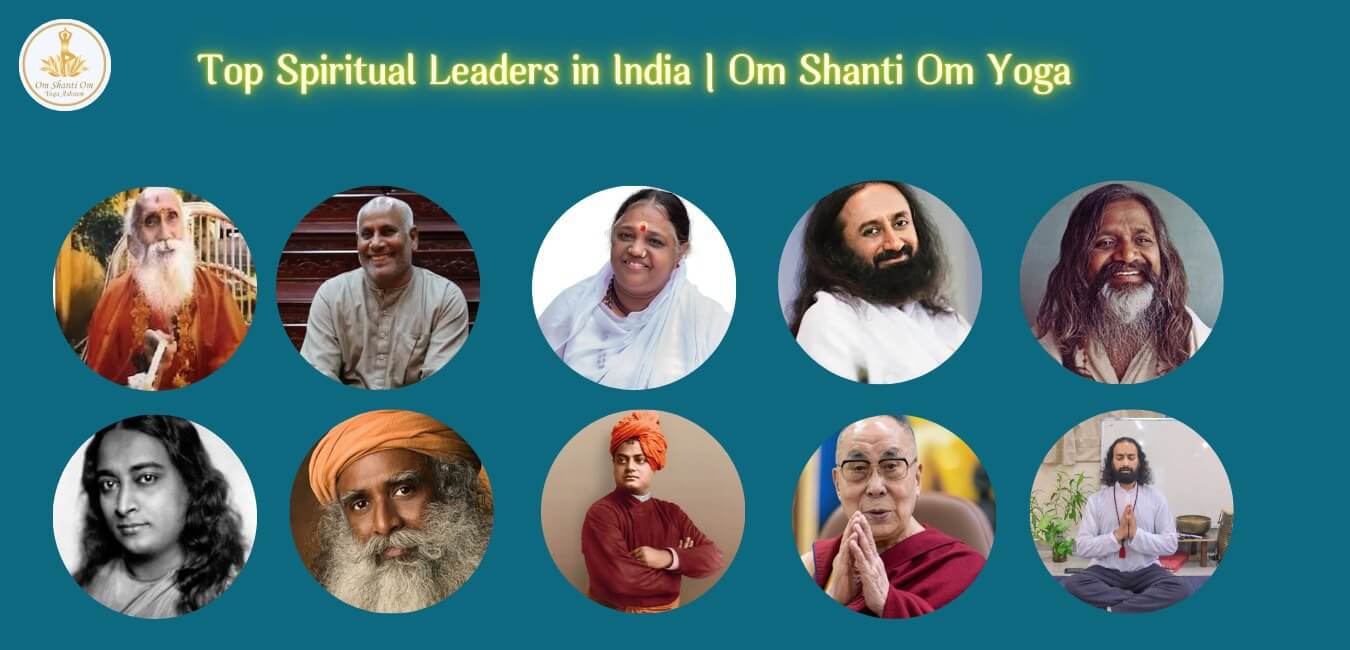
The city's relationship with yogic practice stretches back thousands of years. Ancient texts reference this region as a place where sages and ascetics came to meditate in the caves along the Ganges banks. The great sage Maharishi Mahesh Yogi established his ashram here, famously drawing The Beatles in 1968 and putting Rishikesh on the global map in a way that resonated far beyond spiritual circles. Swami Sivananda founded the Divine Life Society here in 1936, an institution that has trained countless yoga teachers and influenced modern yoga philosophy worldwide.
This isn't borrowed heritage. This is the source. When you practice here, you're not learning yoga that was inspired by a tradition — you're stepping directly into the lineage itself.
The Spiritual Energy That Can't Be Replicated
Ask anyone who has spent time in Rishikesh — whether they're deeply spiritual or simply curious — and they'll tell you the same thing: the place feels different.
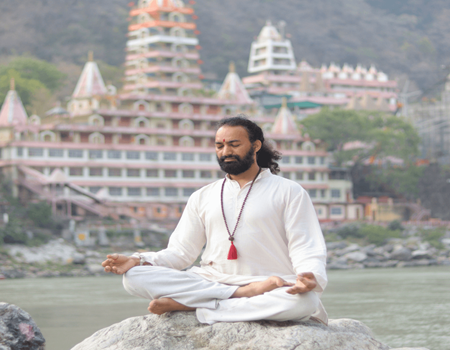
There's something in the air of Rishikesh that is almost impossible to describe without sounding mystical. The Himalayan air is crisp and clean in a way that urban lungs take days to fully appreciate. The sound of the Ganges is ever-present — a continuous, rhythmic rush that becomes the soundtrack of your days and nights. Temple bells ring at dawn. The Ganga Aarti ceremony each evening, where priests offer fire to the river in a choreographed ritual of light, chanting, and flower offerings, is one of the most moving experiences you can witness anywhere on earth.
These aren't tourist attractions bolted onto the city for effect. They are the living, daily rhythm of Rishikesh — and when you are immersed in them for twenty or thirty days during your YTT, they work on you in ways that no classroom, no textbook, and no online module ever could.
Students regularly describe their time in Rishikesh as the most transformative period of their lives — not just their yoga lives, but their entire lives. Many arrive planning to earn a teaching certificate and leave having rearranged their relationship with themselves.
World-Class Teachers and Genuine Lineage
One of the most practical reasons to choose Rishikesh for your Yoga Teacher Training is the sheer quality and authenticity of instruction available there.
The city is home to hundreds of Yoga Alliance-certified schools — the international body whose 200-hour and 300-hour certifications are recognized and respected by yoga studios worldwide. But what sets Rishikesh apart isn't just the volume of schools. It's the depth of teaching lineage behind them.
Many of the master teachers in Rishikesh have studied with gurus who studied with gurus. The transmission of yoga knowledge here is unbroken, direct, and deeply rooted in classical texts like the Yoga Sutras of Patanjali, the Bhagavad Gita, and the Hatha Yoga Pradipika. When a teacher in Rishikesh explains pranayama, they're not drawing from a weekend workshop manual — they're drawing from decades of personal practice and an oral tradition passed down through generations.
The range of styles available in Rishikesh is also remarkable. Whether your interest lies in Hatha, Ashtanga, Vinyasa, Kundalini, Yin, or traditional Raja yoga, you will find master-level teachers and entire schools dedicated to each of these paths. This breadth is simply unavailable in most other locations.

Total Immersion — The Most Powerful Way to Learn Anything
There is a reason that language schools send students to the country whose language they're learning. Immersion works. And Rishikesh offers a quality of yoga immersion that is unmatched anywhere else on earth.
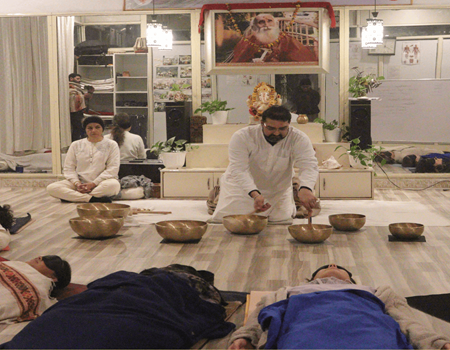
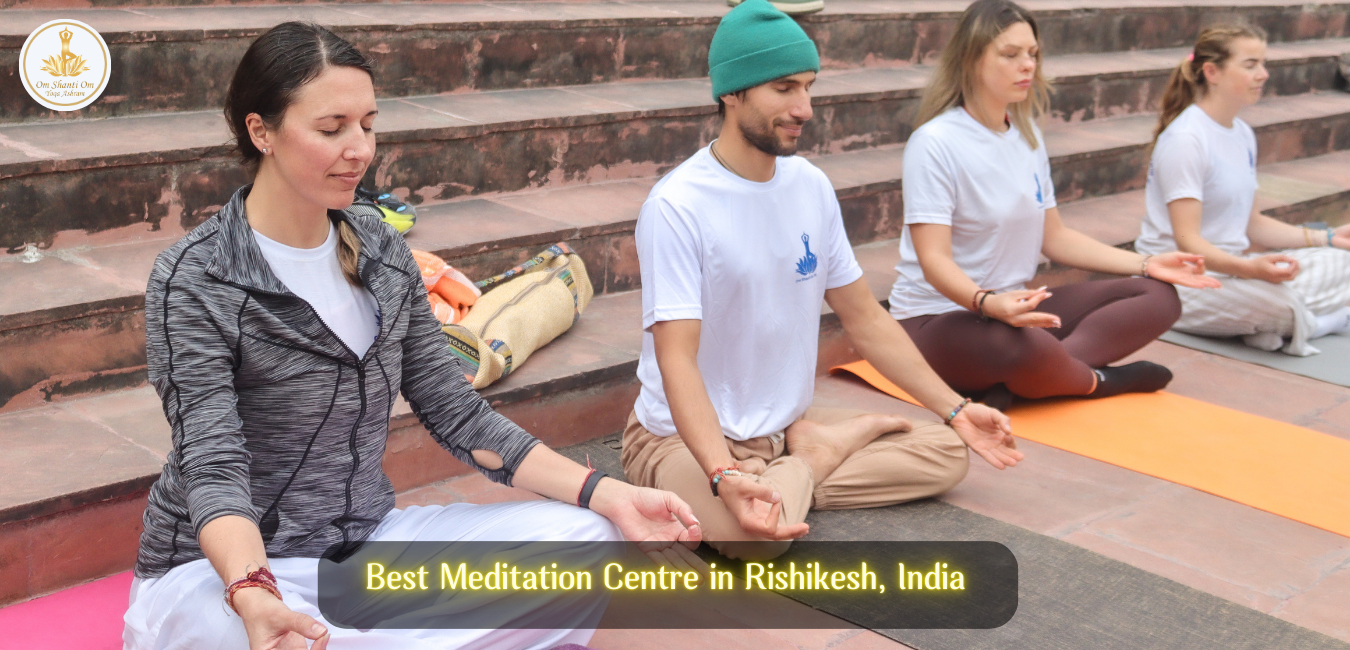
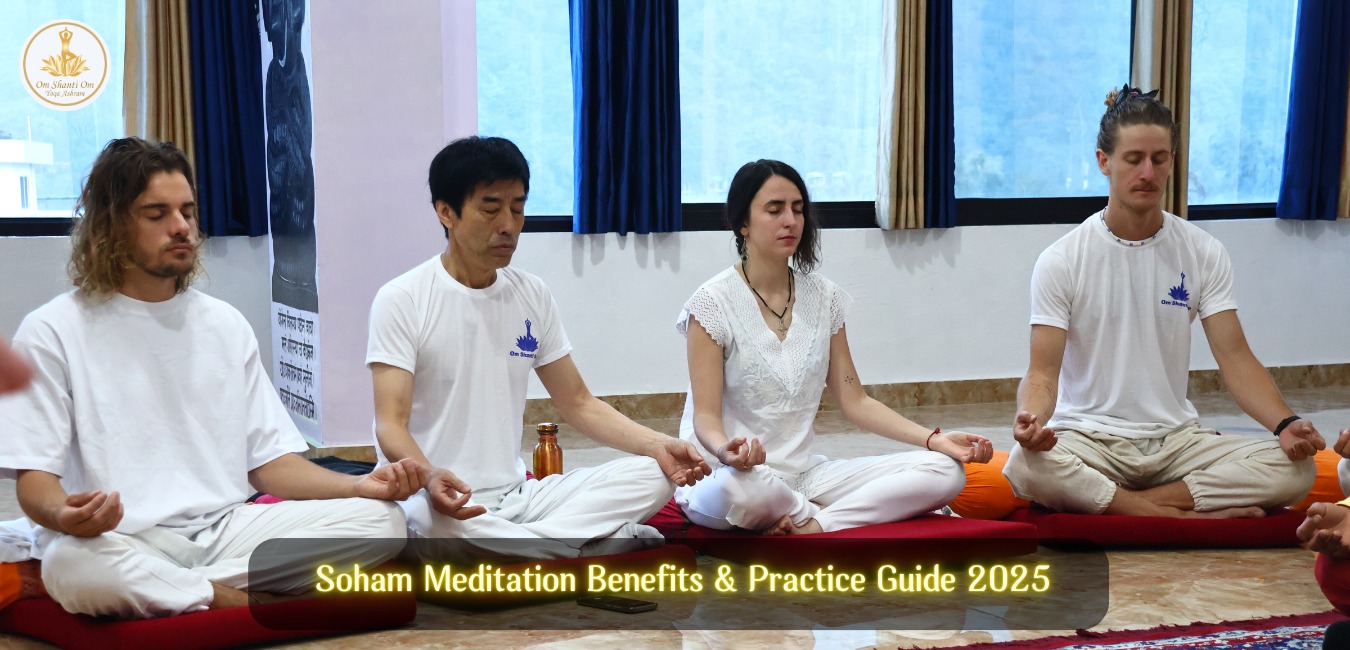
During a residential YTT in Rishikesh, you live in the school or a nearby ashram, wake before dawn for morning practice, eat a sattvic vegetarian diet prepared to support your practice, attend philosophy lectures in the afternoon, meditate in the evenings, and fall asleep to the sound of the river. Every single element of your day is aligned with your learning.
This is profoundly different from completing a YTT in your home city, where you attend class for a few hours and then return to your regular life — your phone notifications, your work stress, your social obligations. That fragmentation makes it genuinely difficult to absorb the depth of what yoga teacher training is trying to teach.
In Rishikesh, there is no going home. The training is your home. And that changes everything.
A typical daily schedule might look like this: wake at 5:30 am, meditation and pranayama from 6:00-7:30 am, asana practice from 8:00-10:00 am, breakfast, anatomy or philosophy classes through the afternoon, another asana session at 4:00 pm, dinner, Ganga Aarti, evening chanting or kirtan, and lights out by 10:00 pm. It sounds demanding — and it is. But within a few days, most students find the rhythm deeply nourishing rather than exhausting.
The Himalayas and the Ganges — Nature as Teacher
Yoga philosophy has always understood that nature is one of the most powerful teachers available to us. And in Rishikesh, you are surrounded by two of the most majestic natural forces on the planet.
The Himalayan mountains provide a backdrop that elevates everything — quite literally. The air quality, the silence between sounds, the scale of the landscape — all of it puts the human experience in a perspective that genuinely shifts how you practice. Pranayama exercises with fresh mountain air filtering through your lungs feel fundamentally different from breathing in a studio above a coffee shop.
The Ganges — or Ganga, as she is known in India — is not merely a river in Rishikesh. She is alive with meaning, memory, and energy. Practicing meditation on her banks, taking an early morning dip in her famously cold waters, or simply sitting beside her at dusk watching the light change — these experiences quietly and powerfully deepen your inner practice in ways that are hard to predict and impossible to manufacture.
Many YTT programs in Rishikesh include nature excursions — hikes to nearby waterfalls, visits to ancient temples carved into hillsides, or sunrise treks with views across the valley. These aren't bonuses or distractions from the training. They are the training.
A Truly Global Community
One of the unexpected gifts of completing your YTT in Rishikesh is the community you enter.
Students arrive from more than fifty countries to train in Rishikesh every year — from Australia, Germany, the United States, Brazil, Japan, South Korea, South Africa, and everywhere in between. In a single YTT cohort, you might practice beside a former accountant from London, a nurse from California, a young teacher from South Korea, and an architect from São Paulo. The diversity of backgrounds, stories, and motivations is extraordinary.
What binds these people is not their nationality or their profession — it's the sincerity of their search. People who travel to Rishikesh for yoga teacher training are, almost universally, people who are serious about transformation. That creates an atmosphere of openness, vulnerability, and mutual encouragement that is rare and genuinely precious.
The friendships formed during a thirty-day YTT in Rishikesh tend to be the kind that last decades. And the professional network you build — a circle of fellow teachers now practicing on every continent — is a career asset that no certification alone can provide.
Authentic Yogic Lifestyle — Living What You're Learning
In Rishikesh, yoga is not a fitness class. It is a way of living. And during your YTT, you are invited into that way of living fully.
The sattvic diet served in most YTT programs — fresh, vegetarian, simply spiced food prepared with care — is designed to support clarity of mind and lightness of body. Students who are skeptical of dietary changes at the start of their training almost universally report feeling cleaner, lighter, and more energized within the first week.
Early rising becomes natural. Silence is valued. Phones are often put away — not because anyone takes them, but because you simply stop reaching for them. The pace of Rishikesh, the depth of the practice, and the richness of genuine human connection become more interesting than anything a screen can offer.
You are not just learning about the eight limbs of yoga. You are temporarily living them — and that embodied understanding is what separates a certified teacher who truly knows yoga from one who has simply memorized the textbook.
World-Class Training at Genuinely Accessible Prices
Let's talk practically for a moment — because cost is a real factor for most people considering YTT.
A 200-hour Yoga Teacher Training in the United States, United Kingdom, or Australia typically costs between $3,000 and $5,000, and that often doesn't include accommodation or meals. The same internationally accredited, Yoga Alliance-certified training in Rishikesh typically costs between $1,000 and $2,000, with accommodation, three meals a day, study materials, and excursions included.
The financial difference is significant enough that many students fund the cost of flights and still spend considerably less than they would training at home. And what they receive in return — the immersion, the lineage, the environment, the community — is richer by every measure.
Rishikesh delivers extraordinary value. Not because it cuts corners, but because the cost of living in India makes world-class training accessible to a far broader range of students than any Western location could.

A Certification the World Respects
A Yoga Alliance certification earned in Rishikesh carries genuine weight in the global yoga community. Studios from New York to Tokyo to Sydney recognize and respect the standard of training that comes out of Rishikesh — not just because of the certification body, but because of the reputation the city itself has built over decades.
Employers in the wellness industry know what Rishikesh means. Fellow teachers know what Rishikesh means. When you say you trained there, the conversation that follows is different. There is a depth of credibility attached to that address that simply cannot be replicated by training elsewhere.
After completing their YTT in Rishikesh, graduates have gone on to open successful studios, lead international retreats, build online yoga businesses, teach in luxury resorts and cruise lines, and become respected voices in the global wellness community. The foundation built in Rishikesh is solid enough to support whatever direction a teaching career takes.
More Than a Certificate — A Pilgrimage
Here is the thing that every Rishikesh YTT graduate will tell you if you ask them honestly: the certification was not the most important thing they brought home.
What they brought home was something harder to name — a recalibrated sense of themselves, a clearer understanding of what they value and why, a relationship with stillness that they hadn't known was possible, and a memory of thirty days when they were fully, completely, undeniably present.
Rishikesh does that to people. It asks you to slow down enough to actually hear yourself. And in the quiet that follows, things become clear.
Many students arrive with questions they didn't even know they were carrying — about their career, their relationships, their purpose. Many leave with answers. Not because anyone gave those answers to them, but because the environment, the practice, and the community created the conditions in which clarity could arrive on its own.
That is what makes Rishikesh irreplaceable. It is not just a place to earn a certificate. It is a place where people become who they were quietly hoping to be.
The Best Time to Visit and a Final Encouragement
The ideal seasons for YTT in Rishikesh are February through April and September through November, when the weather is warm and clear without the intense heat of summer or the heavy monsoon rains of July and August. Most reputable schools run programs year-round, with multiple start dates to accommodate international schedules.
If you have been sitting on the fence about completing your Yoga Teacher Training — wondering whether to do it closer to home or in Rishikesh — consider this your gentle encouragement to choose the source.
You can learn yoga almost anywhere. But there is only one place where you can learn it where it began, surrounded by mountains and a sacred river, guided by teachers who carry an unbroken lineage, beside fellow students from across the world, in a city that has been devoted to this path for thousands of years.
That place is Rishikesh. And it is waiting for you.

Start Your Yoga Journey
If you feel inspired to explore Ashtanga Yoga more deeply, you can join:
- 100 Hour Yoga Teacher Training
- 200 Hour Yoga Teacher Training
- 300 Hour Yoga Teacher Training
- 500 Hour Yoga Teacher Training
At Om Shanti Om Yoga Ashram in Rishikesh, you will experience yoga in its most authentic and traditional form.









0 Comments
No comments yet. Be the first to comment!