

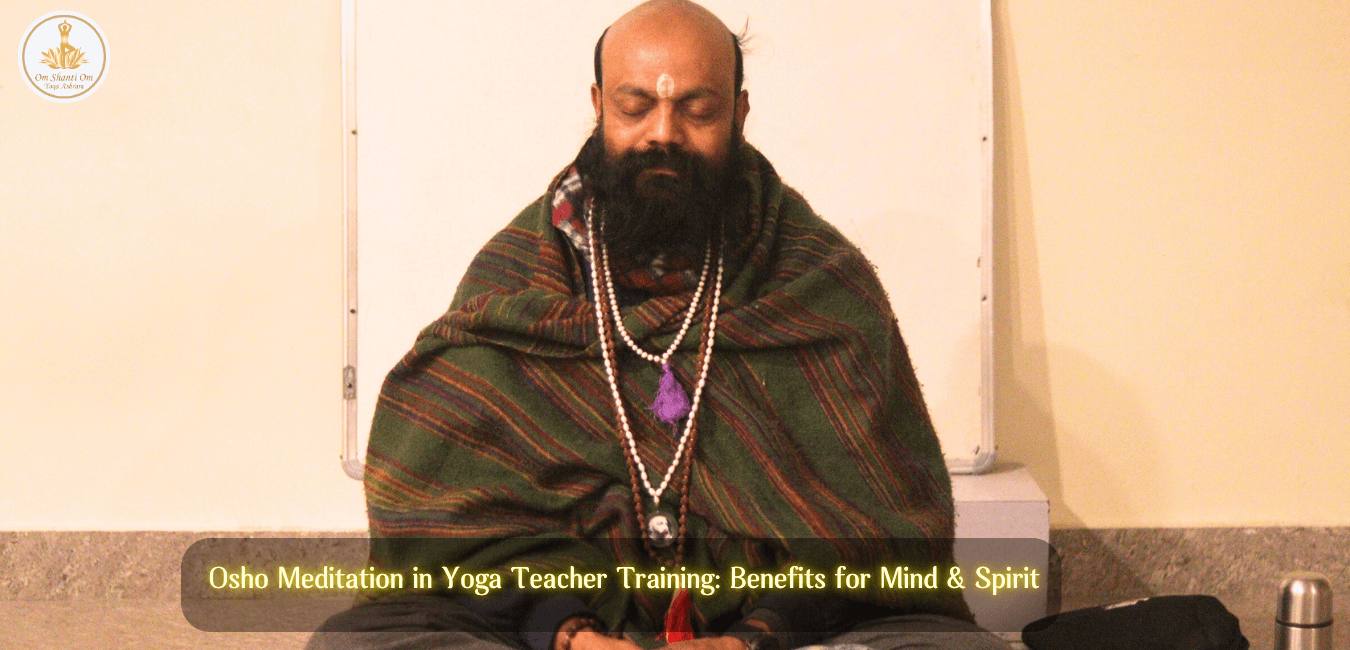
In today’s fast-paced world, finding true stillness has become increasingly difficult. Many people come to yoga seeking peace, clarity, and balance, yet traditional silent meditation can feel challenging for a restless modern mind. This is where Osho Meditation offers a powerful and transformative approach—especially when practiced during a Yoga Teacher Training (YTT) in Rishikesh, the spiritual heart of yoga.
At Om Shanti Om Yoga Ashram, Osho Meditation is integrated into Yoga Teacher Training programs to help students release emotional blockages, quiet mental noise, and experience meditation beyond effort. This dynamic practice supports not only personal healing but also the deeper understanding required to become an authentic yoga teacher. practised
This blog explores what Osho Meditation is, why it is included in Yoga TTC in Rishikesh, and the profound benefits it offers to the mind and spirit.
Meditation for the Modern Mind
Traditional meditation often begins with sitting silently and observing the breath or thoughts. While effective, many practitioners struggle with this approach due to accumulated stress, suppressed emotions, and mental restlessness. Osho recognised this challenge and introduced meditation techniques that prepare the body and mind through movement and expression before entering silence.
In Yoga Teacher Training, where students undergo physical, emotional, and psychological transformation, this preparation becomes essential. Osho Meditation helps students arrive at stillness naturally, rather than forcing the mind into silence.
Who Was Osho?
Osho (1931–1990), also known as Bhagwan Shree Rajneesh, was a spiritual teacher whose teachings emphasised awareness, freedom, and direct experience. He believed that modern humans carry deep emotional conditioning and stress that must be released before true meditation can happen.
His meditation techniques were designed specifically for people living in contemporary society—busy, overthinking, and emotionally suppressed. Today, Osho Meditation is practised worldwide and is especially relevant in Yoga Teacher Training in India, where ancient wisdom meets modern seekers.
What Is Osho Meditation?
Osho Meditation is a dynamic, multi-stage meditation technique that combines physical movement, breath awareness, emotional release, and silence. Unlike passive meditation methods, it encourages active participation, allowing practitioners to clear mental and emotional clutter before entering deep awareness.
The essence of Osho Meditation is not the activity itself, but the state of witnessing that arises once the activity drops away.
Stages of Osho Meditation
Most Osho meditation techniques follow a structured flow. While variations exist, a common format includes:
1. Active Breathing or Movement
The body is energised through breathing, shaking, or spontaneous movement. This stage helps release physical tension and awaken energy.
2. Emotional Expression (Catharsis)
Practitioners allow suppressed emotions—such as anger, sadness, joy, or laughter—to surface without judgment. This emotional cleansing is deeply therapeutic.
3. Stillness and Silence
After release, the body naturally becomes calm. The practitioner sits or stands in silence, observing sensations and thoughts without effort.
4. Celebration or Integration
Some practices end with gentle movement or celebration, helping integrate awareness into daily life.
This progression makes meditation accessible even for beginners.
Why Osho Meditation Is Included in Yoga Teacher Training
Yoga Teacher Training is not only about learning postures or teaching techniques. It is a journey of self-study (Svadhyaya) and inner transformation. Osho Meditation supports this journey by:
-
Releasing emotional blockages stored in the body
-
Reducing mental resistance to meditation
-
Supporting deeper experiences in asana, pranayama, and philosophy
-
Creating emotional balance during intensive training
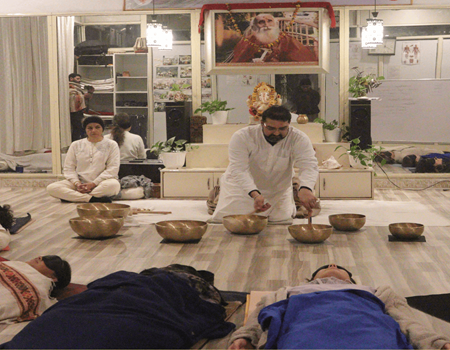
At Om Shanti Om Yoga Ashram, Osho Meditation is practised in a safe, guided environment, allowing students to explore their inner world with awareness and compassion.
Benefits of Osho Meditation for the Mind
1. Stress and Anxiety Reduction
Dynamic movement releases accumulated stress from the nervous system, helping the mind relax naturally.
2. Mental Clarity
After emotional release, the mind becomes quieter, clearer, and more focused—ideal for studying yoga philosophy and anatomy during Yoga TTC.
3. Breaking Thought Patterns
Osho Meditation interrupts habitual thinking loops, allowing fresh awareness to arise.
4. Improved Concentration
Students often experience better focus during asana practice, lectures, and self-study.
Benefits of Osho Meditation for the Spirit
1. Deeper Self-Awareness
By witnessing thoughts and emotions without suppression, practitioners connect with their authentic inner self.
2. Inner Silence
Silence arises effortlessly, not through discipline but through understanding and release.
3. Emotional Healing
Unexpressed emotions dissolve, creating a sense of lightness and emotional freedom.
4. Joy and Acceptance
Many practitioners report a renewed sense of joy, gratitude, and acceptance of life as it is.
Osho Meditation and the Yogic Lifestyle
In traditional yoga, balance between discipline and surrender is essential. Osho Meditation complements classical practices such as Hatha Yoga, Ashtanga Yoga, and Pranayama by:
-
Supporting emotional balance
-
Enhancing breath awareness
-
Preparing the mind for meditation and self-inquiry
-
Encouraging mindful living beyond the mat
During Yoga TTC in Rishikesh, students live in an ashram environment that naturally supports this integration.
Practicing Osho Meditation During Yoga Teacher Training in Rishikesh
Practicing Osho Meditation in Rishikesh holds special significance. Surrounded by the Himalayas and the sacred Ganges, the environment itself supports inner transformation.
At Om Shanti Om Yoga Ashram, Osho Meditation sessions are:
-
Guided by experienced teachers
-
Introduced gradually for safety and comfort
-
Balanced with asana, pranayama, and philosophy
-
Practiced in a respectful and traditional ashram setting
This holistic approach allows students to experience meditation deeply, without overwhelm.
Who Can Practice Osho Meditation?
Osho Meditation is suitable for:
-
Beginners new to meditation
-
Yoga students struggling with mental restlessness
-
Emotional healers and seekers
-
Yoga teachers wanting deeper self-awareness
No prior meditation experience is required. However, guidance is important, especially during Yoga Teacher Training.
Osho Meditation vs Traditional Meditation
| Aspect | Osho Meditation | Traditional Meditation |
|---|---|---|
| Approach | Active + Silent | Silent |
| Emotional Release | Encouraged | Often limited |
| Suitable for Beginners | Very suitable | Can be challenging |
| Preparation for Silence | Yes | Minimal |
Both methods are valuable. In Yoga TTC, learning both creates a balanced and complete practice.
How Osho Meditation Helps You Become a Better Yoga Teacher
A yoga teacher’s presence matters more than perfection. Osho Meditation helps teachers develop:
-
Emotional intelligence
-
Compassion and non-judgment
-
Presence while teaching
-
Authentic connection with students
Teaching yoga from lived experience creates trust and depth in students’ journeys.
Conclusion: From Movement to Stillness
Osho Meditation is not about escaping the mind but understanding it. Through movement, expression, and silence, it guides practitioners from chaos to clarity.
During Yoga Teacher Training in Rishikesh, Osho Meditation becomes a powerful tool for inner transformation, helping students embody yoga—not just teach it.
At Om Shanti Om Yoga Ashram, this practice supports the deeper purpose of yoga: union of body, mind, and spirit.









0 Comments
No comments yet. Be the first to comment!