

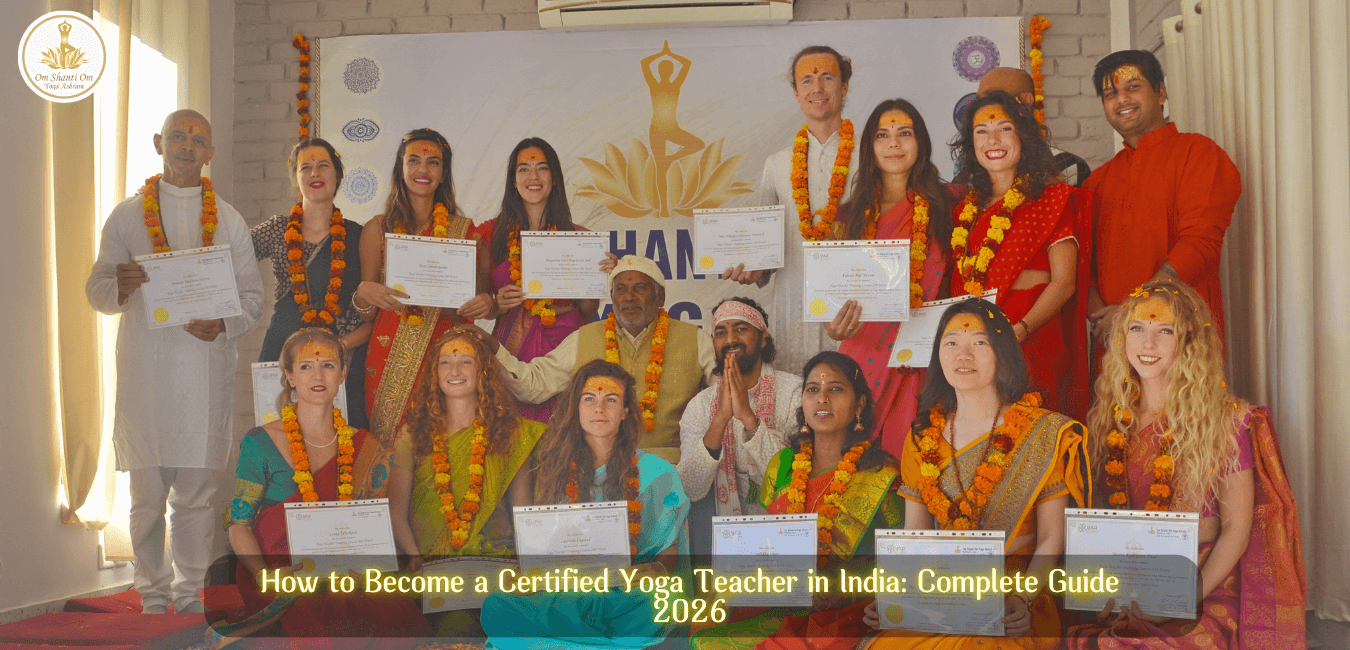
Yoga is no longer just a personal wellness practice — it has become a respected global profession. With the rising demand for qualified yoga teachers worldwide, more people are now choosing India, the birthplace of yoga, to begin their teaching journey. If you are wondering how to become a certified yoga teacher in India in 2026, this complete guide will walk you through everything you need to know, step by step.
Whether your goal is to teach internationally, deepen your personal practice, or build a meaningful career in wellness, becoming a certified yoga teacher in India can be a life-changing decision.
Yoga is gaining popularity worldwide. According to a 2025 study by Yoga Alliance USA, over 45 million Americans practice yoga at least once a week. With yoga increasing in popularity worldwide, the need for certified, professional yoga instructors is also increasing rapidly.
If you aspire to have a fulfilling yoga career, it is crucial to establish a good foundation. It is not about just obtaining a certificate when selecting a yoga school — it's about locating an establishment that fosters your development, provides you with a solid, confident teaching format, and equips you for a fulfilling career as a yoga professional.

Why Become a Certified Yoga Teacher in India?
India is where yoga originated thousands of years ago. Learning yoga here means studying the practice in its most authentic form — beyond just physical postures.
One of the significant advantages of becoming a certified yoga teacher in India is the depth of education it provides. Indian yoga schools emphasise not only asana practice but also philosophy, meditation, pranayama, and yogic lifestyle. This holistic approach helps students truly embody yoga, not just teach it.
Another major reason is global recognition. Many yoga schools in India offer Yoga Alliance–certified programs, allowing graduates to teach yoga anywhere in the world. Additionally, training in India is far more affordable compared to similar programs in Europe, the USA, or Australia, even while maintaining high teaching standards.
What Does “Certified Yoga Teacher” Mean in India?
A certified yoga teacher in India is someone who has completed a structured yoga teacher training course from a recognised institution. Certification usually comes under two main systems:
- Yoga Alliance Certification (International)
Yoga Alliance is the most widely recognised yoga certification body globally. Completing a Yoga Alliance–approved course, such as a 200 Hour Yoga Teacher Training in India, allows you to register as an RYT (Registered Yoga Teacher) and teach worldwide. - Government of India Certification (YCB / AYUSH)
The Yoga Certification Board (YCB) under the Ministry of AYUSH provides national-level certification. This is more relevant for teaching yoga within India, especially in government or institutional settings.
For most aspiring international yoga teachers, Yoga Alliance certification from India is the preferred path.
Who Can Become a Yoga Teacher in India?
One of the most common misconceptions is that only advanced practitioners can become yoga teachers. In reality, anyone with dedication and a sincere interest can enrol.
Basic Eligibility Criteria:
- Minimum age: Usually 18 years
- No formal degree required
- Basic physical fitness
- Willingness to learn and commit to daily practice
- Basic understanding of English (most TTCs are taught in English)
Even beginners can start with a 200-hour yoga teacher training course, which is designed as a foundation-level program.

Types of Yoga Teacher Training Courses in India
200 Hour Yoga Teacher Training (Beginner Level)
Starting a 200-Hour Yoga Teacher Training (YTT) is a big and exciting step in your yoga journey. It’s not just about improving your practice — it’s about growing mentally, emotionally, and spiritually. Before starting this life-transforming experience, you should prepare yourself from the inside out. Building mental strength, emotional balance, and physical readiness will help you face challenges and get the best out of your training.
Whether you’re heading to Rishikesh or another yoga destination, preparing well will set the foundation for a life-changing experience. Let's consider the most important ways you can prepare for your 200-hour YTT. In this blog, we will walk you through significant ways to prepare your mind, body, and emotions for your 200-hour YTT so that you can start this incredible journey feeling clear, confident, and ready to grow.
This course covers:
- Hatha and Vinyasa yoga asanas
- Pranayama and breath awareness
- Meditation and mindfulness
- Yoga philosophy and ethics
- Anatomy and physiology
- Teaching methodology and practice teaching
Completing a 200-hour yoga teacher training program is a deep experience that tests and shapes every aspect of one's being. Physical preparation is only one part—emotional resilience and mental clarity are equally important for the transformational YTT journey.
1. Acknowledge and Celebrate Your Decision: Deciding to pursue a 200-hour YTT is a significant and courageous step toward personal growth and spiritual evolution. Celebrate yourself for investing in your wellbeing, deepening your yoga practice, and committing to becoming the best version of yourself. Recognising this will build your confidence and set a positive tone for your training journey.
2. Build Mental Resilience:- Yoga Teacher Training can be intense — emotionally, mentally, and physically. To prepare, begin building your resilience. Recognise that there will be periods of self-doubt, physical fatigue, and emotional release. Welcome these challenges with elegance, knowing that they are inevitable aspects of your growth.
3. Deepen Your Mindfulness Practice:- Before starting your 200-hour YTT, spend time developing a daily mindfulness routine. Meditation, breath awareness, or simple conscious breathing can help centre your mind. Strengthening your ability to stay present will serve you enormously during your intense training days and help you process the experiences more peacefully.
4. Set Clear and Meaningful Intentions:- Consider why you are enrolling in a 200-hour YTT. Do you want to teach? Desire more spiritual connection? Wish to enhance your own practice? Having clear, genuine intentions keeps you inspired, focused, and receptive to change throughout your course.
5. Set Clear and Meaningful Intentions:- Come to your YTT with an open heart and a flexible mind. Know that it's not about learning to master poses — it's about self-discovery, discipline, and inner work. Be prepared for moments of struggle and breakthroughs. Having realistic expectations will avoid frustration and allow you to learn through challenges.
6. Step Outside Your Comfort Zone:- One of the best things about a YTT is how it challenges you outside your comfort zone — physically, emotionally, and socially. You'll be meeting new individuals, residing in a new place, and being introduced to new yogic philosophies and practices. Get yourself mentally prepared to accept discomfort as part of your growth.
7. Build a Strong Support System: Although YTTs are solo experiences, having friends, relatives, or fellow yogis with whom you can speak can make a significant difference. Involve loved ones who support and know you so that you have emotional anchors when the time arises.
8. Focus on Self-Care and Physical Preparation:- Though mental and emotional preparation are extremely important, do not overlook physical preparation. Groom your physical body with the help of pre-strengthening yoga before enrolling. Develop good sleep habits, energise your body with healthy and wholesome food, and indulge in activities that boost your energy too.

Read Also: 200 Hour Yoga Teacher Training in Rishikesh, India
300 Hour Yoga Teacher Training (Advanced Level)
If the 200 hour course is your undergraduate degree, then the 300 hour yoga teacher training is your master’s. The 300 hr yoga teacher training is designed for those who already hold a 200-hour certificate and wish to go deeper, both in knowledge and practice.
It focuses on:
- Advanced asanas and sequencing
- Yoga therapy basics
- Advanced pranayama and meditation
- Teaching adjustments and corrections
- Deeper study of yogic texts
Who Should Join a 300 Hour YTT?
- Certified yoga teachers (RYT-200): If you’re already teaching yoga and want to upgrade your skill set, this is your next step.
- Devoted yoga students: If you're interested in delving deep into higher yogic philosophy, sequencing, and personal growth, this training is perfect.
- Individuals wanting RYT-500 status: Taking a 300 hr YTT after your 200 hour allows you to register as a RYT-500, a qualification that's recognised around the world.
- Yoga professionals who wish to specialise: This course frequently enables you to specialise in advanced topics such as yoga therapy, Ayurveda, or particular styles such as Vinyasa or Kundalini.
- Individuals want a full yogic lifestyle: If you’ve completed your 200 hr training but feel out of touch with yoga in your daily life, this immersive training helps re-integrate yoga into every aspect of living.
What You’ll Learn in a 300 Hours YTT
- Advanced asana practice and alignment
- Complex sequencing and adjustments
- In-depth yoga anatomy and physiology
- Advanced Pranayama, Bandhas, and Kriyas
- Philosophy: Upanishads, Bhagavad Gita, Patanjali’s Sutras
- Teaching multi-level and therapeutic yoga
- Mastery of meditation and deeper self-reflection
This is a more rigorous and intense program than the 200 hour one. It requires greater discipline and commitment, but it pays you back with a deep transformation—in body, mind, and spirit.
Read Also: 300 Hour Yoga Teacher Training in Rishikesh, India
500 Hour Yoga Teacher Training (Master Level)
A 500-hour yoga teacher training in India can be completed either as a single intensive course or as a combination of 200 + 300 hours.
This level is ideal for those who want to:
- Teach internationally
- Open their own yoga school
- Lead retreats and teacher trainings
Read Also: 500-Hour Yoga Teacher Training in Rishikesh, India
Yoga Teacher Training Curriculum in India (2026 Overview)
Most certified yoga teacher training programs in India follow a well-structured curriculum approved by Yoga Alliance.
Core Subjects Include:
Asana Practice: Hatha Yoga, Vinyasa Flow, alignment principles, and posture variations.
Pranayama: Breathing techniques such as Nadi Shodhana, Kapalbhati, Bhastrika, and Ujjayi.
Meditation: Guided meditation, mantra meditation, mindfulness, and yogic concentration practices.
Yoga Philosophy: Study of Patanjali’s Yoga Sutras, Bhagavad Gita, and the Eight Limbs of Yoga.
Anatomy & Physiology: Understanding the human body, muscles, joints, spine, and injury prevention.
Teaching Methodology: Class sequencing, voice modulation, cueing, and the ethics of teaching yoga.
How Long Does It Take to Become a Certified Yoga Teacher in India?
The duration depends on the type of course you choose.
- 200-hour TTC: 3 to 4 weeks (intensive residential)
- 300-hour TTC: 4 to 6 weeks
- 500-hour TTC: 8 to 10 weeks (combined or modular)
Most yoga teacher training courses in India are residential, offering a fully immersive yogic lifestyle with daily schedules starting early in the morning.
Cost of Yoga Teacher Training in India
One of the biggest advantages of India is affordability.
Average Cost (2026 Estimates):
- 200-hour TTC: USD 900–1,500
- 300-hour TTC: USD 1,200–1,800
- 500-hour TTC: USD 2,000–3,000
These costs usually include:
- Accommodation
- Yogic meals
- Course materials
- Certification fees
Compared to Western countries, yoga teacher training in India offers exceptional value for money.
How to Choose the Right Yoga School in India
Choosing the right yoga school is the most important step in your journey.
Key Factors to Consider:
- Yoga Alliance registration
- Experienced and qualified teachers
- Balanced curriculum (practice + theory)
- Student reviews and testimonials
- Location and learning environment
Why Rishikesh Is the Best Place
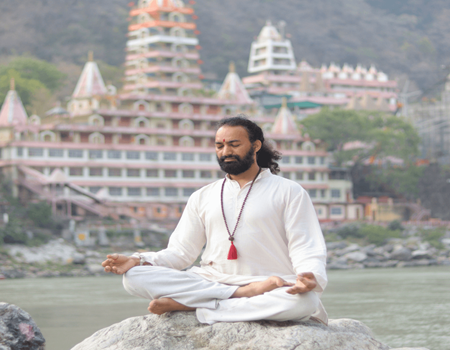
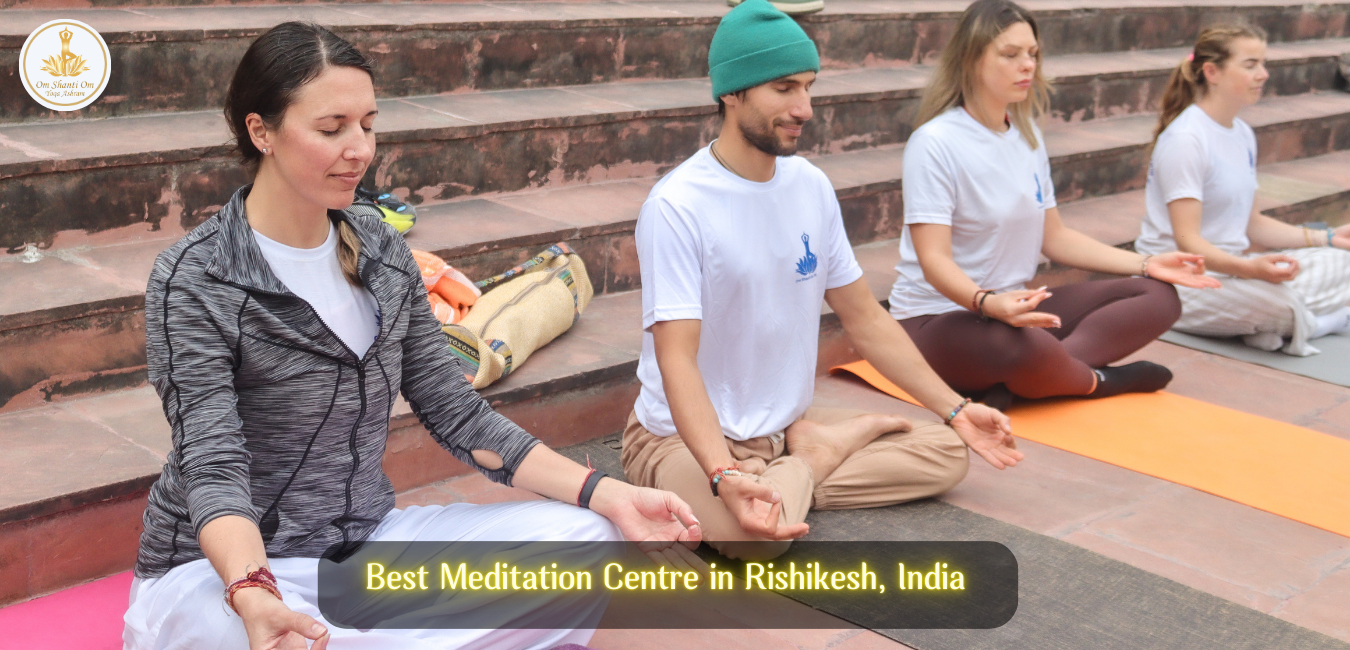
Rishikesh is known as the Yoga Capital of the World, and it's a location where the original essence of yoga continues to thrive. Nestled among the picturesque Himalayas and the sacred Ganges River, Rishikesh provides you with a true and spiritual atmosphere ideal for enriching your yoga practice.
Here’s why doing your 200-hour YTT in Rishikesh can be a life-changing experience:
- Spiritual Energy:- Rishikesh has been home to yogic practices for centuries. This creates a powerful energy that supports your inner growth and transformation.
- Authentic Teachings:- You’ll learn from experienced teachers who share traditional yogic wisdom with love, discipline, and care.
- Holistic Lifestyle:- In Rishikesh, you’ll experience a complete yogic lifestyle — eating pure vegetarian food, following disciplined routines, and practising mindfulness every day.
- Global Yoga Community:- You will interact with yoga students and seekers from across the globe, establishing friendships, exchanging experiences, and learning from each other.
- Natural Serenity:- Practising yoga in nature within dense forests, winding rivers, and tranquil mountains will enable you to achieve profound inner stillness and peace.
Step-by-Step Process to Become a Certified Yoga Teacher in India
- Decide your intention and teaching goals
- Choose the appropriate TTC level
- Research and select a certified yoga school
- Apply and confirm your seat
- Prepare physically and mentally
- Complete training and teaching assessments
- Receive certification and register with Yoga Alliance
Start your transformative yoga journey in Rishikesh with Om Shanti Om Yoga School, where tradition, authenticity, and spiritual evolution unite in harmony.

Certification After Completing Yoga TTC in India
After completing your course, you receive a yoga teacher training certificate. If your school is Yoga Alliance–registered, you can apply for:
- RYT 200 or RYT 500 registration
- Global teaching opportunities
- Recognition by studios and retreat centres worldwide
Career Opportunities After Becoming a Yoga Teacher
A yoga certification opens many professional paths:
- Teaching at yoga studios and gyms
- Teaching yoga abroad
- Online yoga classes and courses
- Hosting yoga retreats
- Yoga therapy and wellness coaching
- Opening your own yoga studio
Yoga Teacher Salary in India and Abroad (2026 Outlook)
Income varies based on location, experience, and teaching format.
- Beginner teachers in India: ₹25,000–₹40,000 per month
- International yoga teachers: USD 2,000–4,000 per month
- Online yoga teachers: Flexible income based on reach
With experience and specialisation, income potential increases significantly.
Common Mistakes to Avoid
- Choosing non-certified yoga schools
- Ignoring yoga philosophy and ethics
- Focusing only on physical practice
- Not researching certification validity
Why Rishikesh Is Ideal for Yoga Teacher Training
Rishikesh offers a unique blend of spirituality, tradition, and modern yoga education. The peaceful Himalayan setting, the sacred Ganga River, and the disciplined ashram lifestyle create the perfect environment for transformation.
Final Thoughts: Is Becoming a Yoga Teacher in India Worth It?
Becoming a certified yoga teacher in India is more than a career move — it is a journey of self-discovery. With authentic teachings, globally recognised certification, and deep spiritual roots, India remains the best destination for yoga teacher training in 2026.
If you are truly committed to yoga, learning it in its birthplace will give you a strong foundation to teach, inspire, and grow — both personally and professionally.










0 Comments
No comments yet. Be the first to comment!