


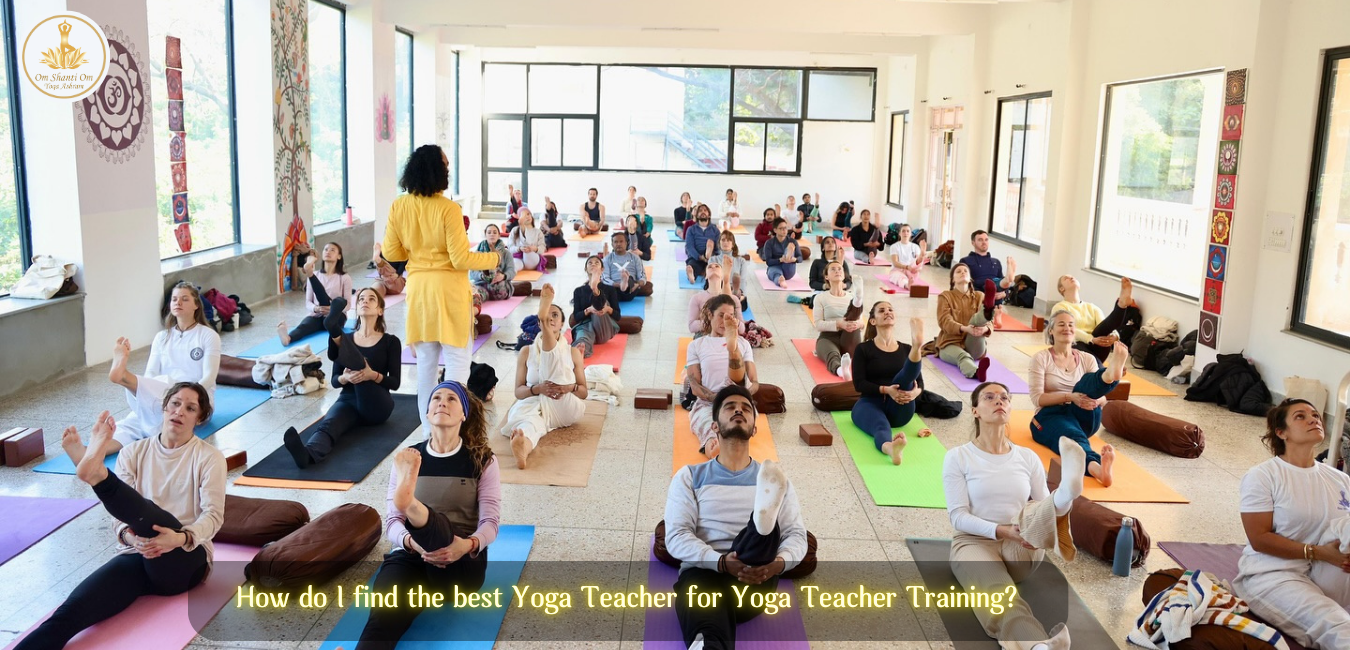
The importance of a yoga teacher cannot be overstated. While yoga can be explored through books, videos, and self-practice, the presence of a skilled teacher plays a crucial role in truly understanding and embodying the practice. A teacher does not simply instruct postures; they guide, protect, inspire, and transmit the living experience of yoga.
A teacher shares wisdom gained through personal experience—helping students avoid common mistakes, unnecessary struggle, injuries, and spiritual dead ends. This guidance is invaluable, especially in a practice as subtle and transformative as yoga. The teacher’s presence itself conveys something that cannot be learned intellectually: the living consciousness of yoga.
Why a Yoga Teacher Matters
A competent yoga teacher helps elevate the student’s awareness. Through voice, touch, and subtle guidance, a teacher can adjust the body and mind, releasing stored tension, stress, and pain. At the same time, they support the student in becoming more attuned to their true Self, cultivating peace, clarity, and contentment.
Yoga has grown tremendously in popularity, and classes are now available almost everywhere—even in remote regions. While finding a yoga class is usually easy, finding a truly competent teacher is far more challenging. Advertising and social media presence can be misleading. Yoga, like many other disciplines, is not immune to misrepresentation.
For this reason, the safest way to find a good teacher is often word of mouth—recommendations from sincere practitioners who have firsthand experience.

Yoga Training Is Not Fully Standardized
Unlike many professions, yoga training is not universally standardized. There is no single global board that certifies all yoga teachers. However, organizations such as Yoga Alliance have emerged to raise awareness and encourage higher standards in teacher training.
Still, it is important to understand that the term “certified yoga teacher” can mean very different things. Some teachers may have completed a short weekend course, while others have trained for several years. Certification alone does not guarantee competence, depth, or integrity.
When choosing a teacher, it is appropriate—and wise—to ask about their background. A sincere and capable teacher will never feel offended by such questions.
Essential Questions to Ask When Choosing a Yoga Teacher
1. Do You Feel Trust, Confidence, and Rapport With the Teacher?
This is the most important question of all. If trust and connection are present, many other concerns become secondary. A good teacher inspires confidence, discipline, and a genuine desire to practice yoga consistently.
Discipline is a shared responsibility. A teacher’s personal dedication and love for the practice naturally inspire students. This enthusiasm is contagious and motivates sincere practitioners to grow.
A competent teacher can also help dispel doubts—not by claiming to know everything, but by having deep trust in the yogic tradition and the guidance it provides. Even when the path ahead is unclear, such teachers move forward with inner confidence, encouraging students to trust their own intuition while using the teacher as a grounding reference.
Importantly, a teacher should never force students. If a teacher is known for pushing students aggressively into postures, it is wise to stay away. Injuries often occur not due to lack of knowledge, but due to unresolved frustration, ego, or ambition within the teacher. There is no spiritual benefit in causing harm.

2. Does the Teacher Maintain a Personal Daily Practice?
Some teachers rely solely on teaching as their practice. While teaching is valuable, it should not replace personal sadhana. A competent teacher continues daily self-practice of yoga and meditation.
Teachers who practice regularly are better able to observe, correct, and guide students rather than constantly demonstrating. This ensures safety and proper adaptation for students of varying abilities.
3. Is the Teacher Properly Trained and Certified?
Certification matters—but context matters more. Ask:
-
Where did they train?
-
How long was their training?
-
Who authorized them to teach?
A solid teacher training program teaches not only how to perform postures, but when, why, and how to adapt them for differences in age, health, gender, and ability. Knowledge of anatomy, physiology, and kinesiology is essential for safe and effective teaching.
A competent teacher understands your physical limitations and potential, helping you progress without injury.
Also Read: 200 Hour Yoga Teacher Training in Rishikesh
4. Is Yoga a Full-Time Commitment or a Part-Time Hobby?
Many yoga teachers teach part-time and can offer excellent guidance at beginner levels. However, students with injuries, special health conditions, or serious long-term commitment benefit most from teachers who have devoted their lives to yoga.
Only deeply committed teachers are truly capable of training future teachers and guiding students through advanced stages.
5. Does the Teacher Continue to Study With Their Own Teacher?
Yoga is not static—it is a lifelong journey. Competent teachers continue to learn from their own teachers and seek guidance from peers. Yoga training influences lifestyle, ethics, mindset, and worldview.
The study of yoga is inseparable from philosophy, which means the love of knowledge. A true love for yoga naturally creates a desire for deeper understanding, insight, and refinement.
6. Is the Teacher Part of a Professional Yoga Community?
Yoga teacher associations exist in many regions to support professional growth and peer learning. Membership in such groups indicates openness, humility, and willingness to evolve.
Staying connected with a community prevents narrow thinking and encourages respect for different styles and approaches within yoga.

Yogi vs. Certified Yoga Teacher: What’s the Difference?
Many students wonder whether they are looking for a yogi or a certified yoga teacher. The distinction is important.
A certified yoga teacher has completed formal training under an authorised teacher and is qualified to teach students safely and systematically. Certification reflects commitment, discipline, and accountability.
Unfortunately, some individuals teach yoga without authorization, claiming self-realization or spontaneous enlightenment. Skill as a practitioner does not automatically qualify one to teach. Teaching requires responsibility, structure, and humility.
Who Is a Yogi?
A yogi is someone who lives yoga as a spiritual path, not as a profession. Yogis dedicate their lives to spiritual practice, devotion, and inner realization. They may live as householders or renunciates.
Unlike teachers, yogis usually do not depend on student income. If they accept offerings, it is often through voluntary donation. Their work is done as selfless service, not for recognition or praise.
Yogis live what they teach. Their presence itself becomes the teaching.

Guru Swami Yogananda Ji
Maharaj Ji was born on 14th September 1908 in Madhya Pradesh, India. From a very young age, he showed a deep inclination toward the yogic path and formally began his yoga journey at the age of 17. Throughout his life, Swami Ji credited his exceptional health and vitality to the regular practice of Sukshumavyayam Yoga—an ancient yogic system that integrates subtle movements, gentle stretching, conscious breathing, relaxation, and simple yet powerful exercises.
Remarkably, even at the age of 106, Swami Ji’s physical and mental faculties remained highly active and balanced. He possessed sharp eyesight without the use of glasses and maintained strong, healthy teeth. His life stood as a living testament to the transformative and sustaining power of consistent yoga practice.
Swami Ji practiced Hatha Yoga in Rishikesh and selflessly shared his wisdom by teaching Sukshumavyayam Yoga to students at Om Shanti Om Yoga Ashram, offering classes every Sunday. Throughout his entire lifetime, Swami Yogananda Ji Maharaj never relied on medication, maintaining excellent physical health and mental clarity.
He remained fit, alert, and spiritually grounded until he peacefully attained Maha Samadhi on 3rd January 2015. His life continues to inspire generations, serving as a powerful example of how disciplined yoga practice can nurture longevity, vitality, and inner harmony.
How to Recognize a True Guide
It is not always easy to distinguish between a yogi and a teacher. A wise approach is patience and observation. As many spiritual masters advise: test the teacher.
Practice sincerely under their guidance for at least six months. Observe whether they live according to their teachings and whether your own life improves through their guidance.
A great teacher or yogi will awaken your inner longing for spirituality. They do not impose belief; they ignite insight.
Conclusion: Choosing With Awareness
The right teacher can transform your yoga journey from a physical exercise into a lifelong path of awareness, discipline, and joy. Yoga training, when guided properly, influences every aspect of life positively.
Choose wisely, practice sincerely, and allow yoga to unfold naturally through the guidance of a teacher who truly embodies the path.
Also Read: Yoga Teacher Training in Rishikesh, India










0 Comments
No comments yet. Be the first to comment!