


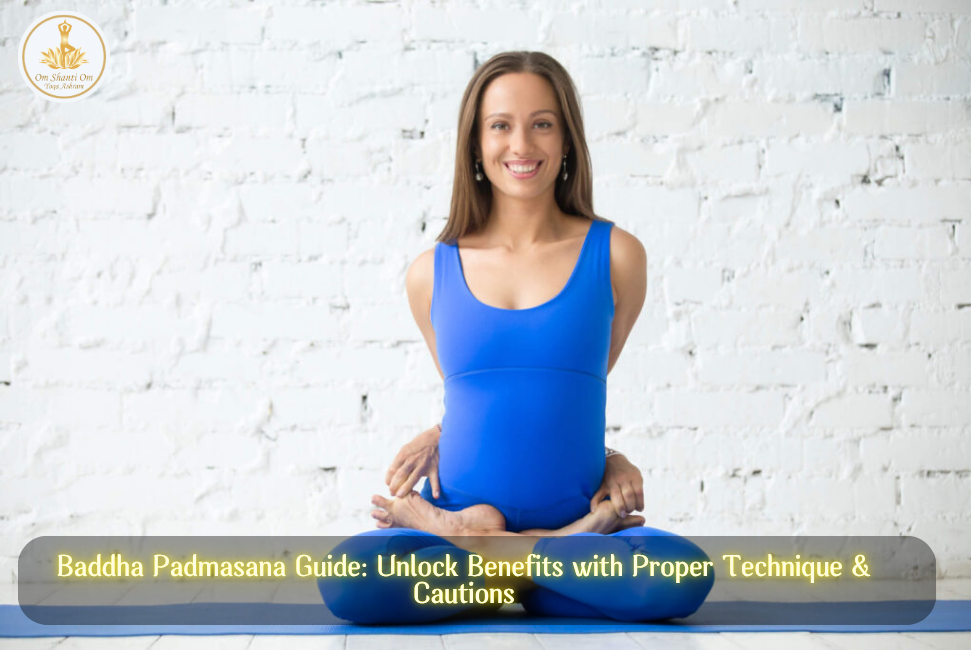
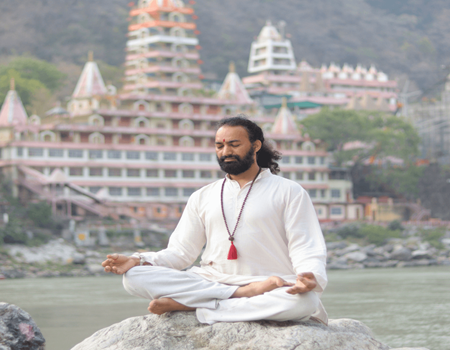
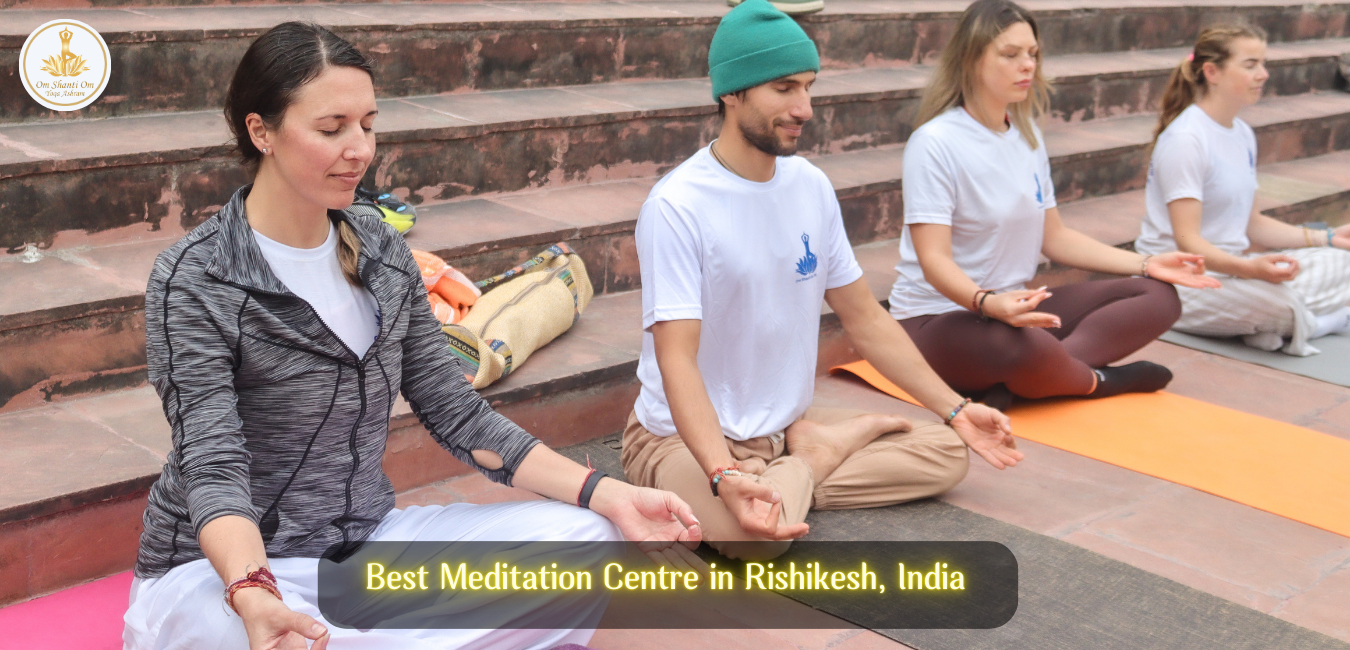
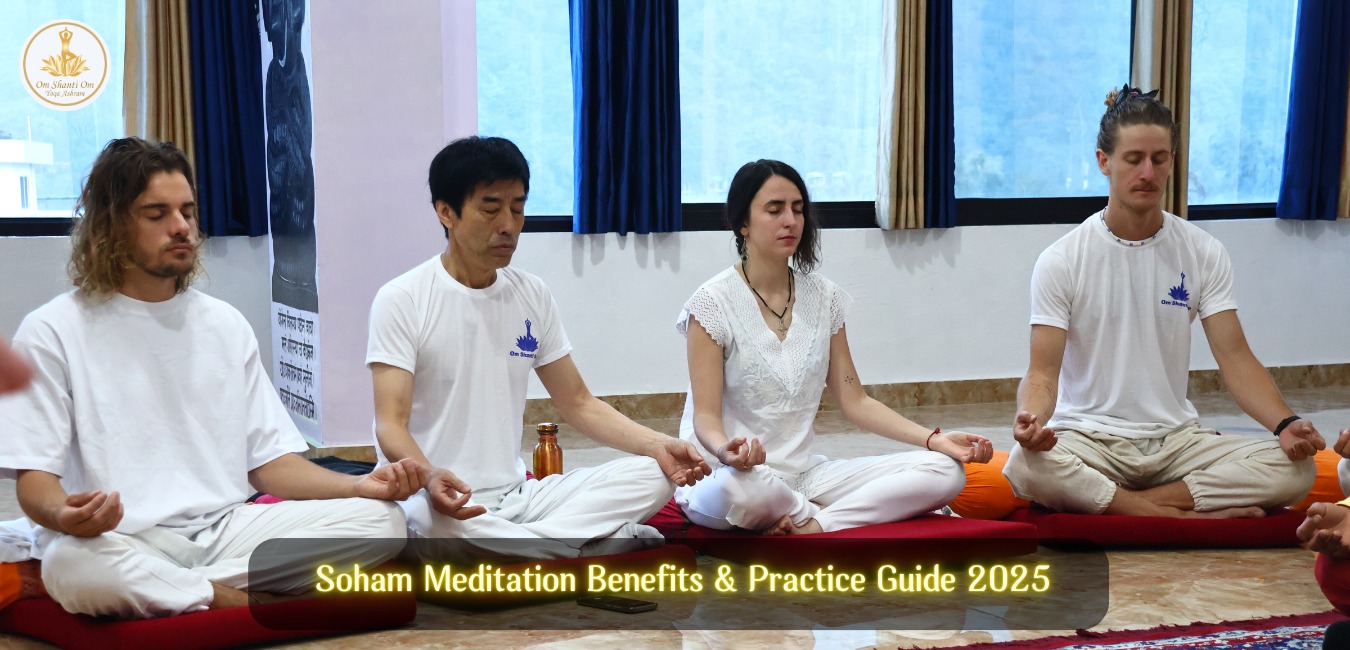
This asana is known as Padmasana or Kamalasana. There are some yogic texts which use the terms interchangeably. POSTURE Sit on the ground with the heel of the left foot resting on the right thigh so as to be as close as possible to the navel. Then the right foot should be placed on the left thigh in such a way that the heels touch each other as near the navel as possible. The vertebral column and the body from the waist upwards should be kept erect. Care should be taken that the knees touch the ground. The hands should be placed in the lap with palm upward. The whole procedure is to be repeated by altering the sequences in which the feet are placed on the thighs. Padmasana seems and is difficult to perform in the beginning but it is the asana which must be practiced by all – men, women and children, old and young alike. To facilitate its practice, the great seers invented Ardha Padmasana or half lotus pose. Here, only one foot is placed on the opposite thigh whereas the other foot is allowed to remain on the ground. Ardha Padmasana should be attempted only by those whose bodies are extremely stiff. Those who have stiff limbs are advised to drink milk mixed powdered raw turmeric. This makes the limbs less rigid and renders them supple. The consumption of raw turmeric is also said to purify the blood.
EFFECTS AND BENEFITS of Padmasana (Lotus Posture)
- Padmasana is practiced for meditation, prayer, worship and Pranayama. It has the added distinction in that it is decidedly more effective and useful than Siddhasana for physical well-being.
- This asana relieves constipation, indigestion and flatulence.
- It improves digestion and strengthens the thigh and calves.
- It is considered more useful to women than men because it has a beneficial effect on the womb. Therefore, all the asanas based on Padmasana should be specially practiced by women. This Padmasana annihilates all ailments. It can be practiced by the Branhmacari (celibate), the householder, vanaprasthi or the sanyyasa (recluse) it is supposed to be perfected if the posture can be prescribed fashions. As sexual urges are diminished by the practice of Siddhasana, men leading normal domestic lives should practice it only to a limited extent.
- But this restriction does not apply to Padmasana.
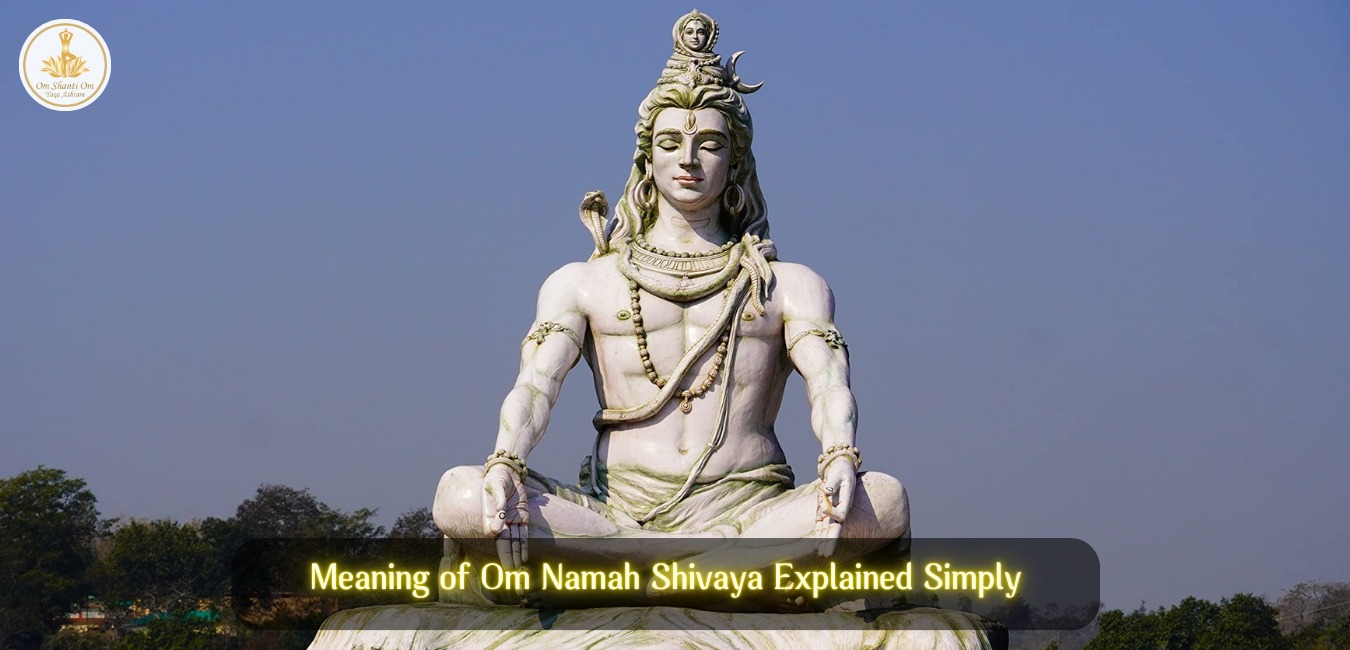
- The yogi sitting himself in Padmasana should bow down to the great teacher of yogis, Lord Shiva and should practice Pranayama after fixing his gaze on the tip of his nose.
- Here the practice of Pranayama has been indicated in Padmasana because a mentioned above perfect Pranayama can be performed only in Padmasana. If the yogi seated in Padmasana directs the breath after full, deep inspiration into the path of Sushumna Nadi, he absolutely gets liberated.
Read Also: Yoga Teacher Training in Rishikesh, India






0 Comments
No comments yet. Be the first to comment!