


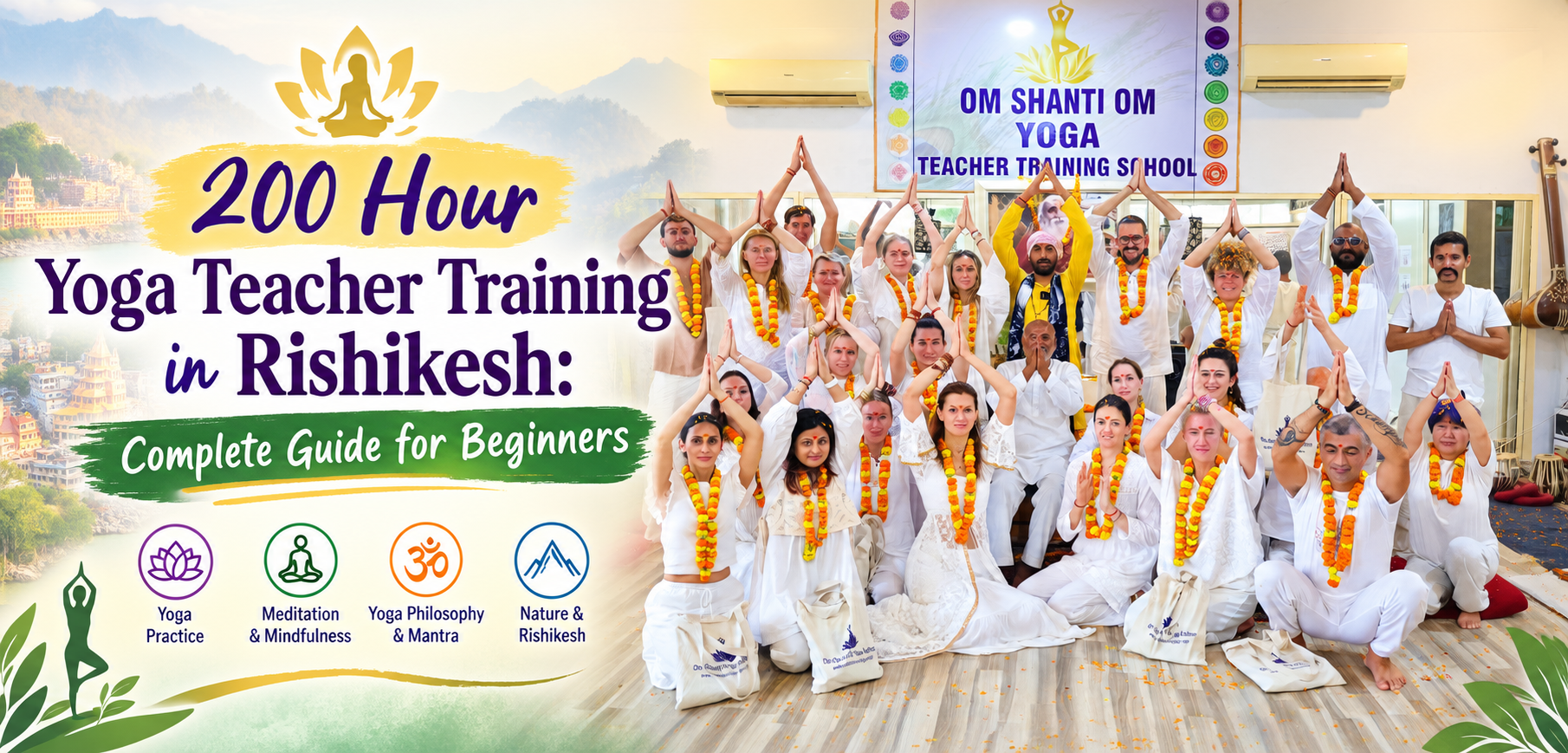
If you've been scrolling through yoga videos late at night, dreaming about sun salutations at sunrise by the Ganges, you've probably stumbled upon the idea of doing a yoga teacher training in Rishikesh. And honestly? It's one of those life decisions people never regret making.
Rishikesh isn't just another dot on the map. Nestled in the Himalayan foothills of northern India, this small town has been called the "Yoga Capital of the World" for good reason. Sages have meditated here for centuries, the Ganges River flows ice-cold and impossibly clear, and the air itself feels different — calmer somehow.
But if you're a complete beginner, the whole thing probably feels overwhelming. How much does it cost? Do you need to be flexible? Is the certification real? This guide answers all of it, honestly, without the marketing fluff.
What Is a 200 Hour Yoga Teacher Training, Anyway?
Let's start with the basics. A 200 Hour Yoga Teacher Training (YTT) is an intensive course — usually around three to four weeks — where you immerse yourself fully in yoga. Not just the poses, but the philosophy, the breathing, the anatomy, and yes, the teaching skills too.
The "200 hours" isn't random. It's the international standard set by Yoga Alliance, the largest global registry of yoga teachers. When you complete an accredited 200-hour course, you become eligible to register as an RYT-200 (Registered Yoga Teacher, 200 hours), which is the entry-level credential most yoga studios worldwide recognize.
Now, is 200 hours enough to become a great teacher? Honestly, not entirely — teaching is a craft that takes years to master. But it's a solid, respected foundation. Think of it like a driver's license: it qualifies you to get behind the wheel, and the real learning begins once you start driving.
The 200-hour certification is also the gateway to higher credentials — 300-hour yoga teacher training and 500-hour yoga teacher training courses if you decide to go deeper later.

Why Rishikesh? Why Not Bali or Goa?
Fair question. Yoga teacher trainings exist everywhere these days — Bali, Thailand, Goa, even online from your bedroom. So what makes Rishikesh special?
Authenticity. Yoga wasn't invented in a Bali beach club. It was born and nurtured in India, and Rishikesh has been a center of spiritual learning since time immemorial. When you study here, you're learning from teachers whose families have practiced these traditions for generations — not from someone who took a course six months ago.
Price. Here's the kicker — a course in the US or Europe easily costs $3,000 to $5,000 before accommodation. In Rishikesh, a complete package with food and a private room often costs under $1,500. It's genuinely one of the best-value experiences on Earth.
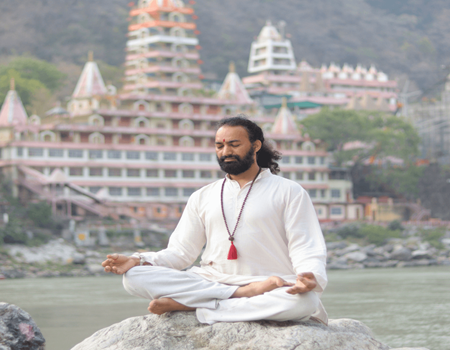
Atmosphere. Try meditating at dawn while temple bells echo across the valley and the Ganges rushes past below. It's hard to explain, but something shifts in you there. Many students arrive for the certificate and leave with a completely different relationship to themselves.
The setting. The town sits where the Ganges leaves the Himalayas and enters the plains — surrounded by forested hills, waterfalls, and ancient temples. Cafés are cheap, fresh vegetarian food is everywhere, and the whole town revolves around yoga and spirituality.
If you visit between March and early June or September through November, the weather is perfect. Monsoon season (July–August) is lush and beautiful but very wet — some schools actually pause courses then.
What You'll Actually Learn
Don't picture 200 hours of just doing downward dog. The curriculum is far richer than most beginners expect. Here's the typical breakdown:
Hatha Yoga — the foundation. You'll learn classical postures with proper alignment, holding poses, and understanding what each one does for the body. This is where beginners build strength and awareness.
Ashtanga Vinyasa — the more dynamic, flowing style where movement syncs with breath. It's challenging, sweaty, and strangely addictive. Even if you never plan to teach it, it builds incredible stamina.
Pranayama (breathing techniques) — kapalbhati, anulom vilom, bhastrika, and more. Most Western yoga classes barely touch this, yet in Rishikesh it's a daily practice. Many students report this alone transforms their energy and mental clarity.
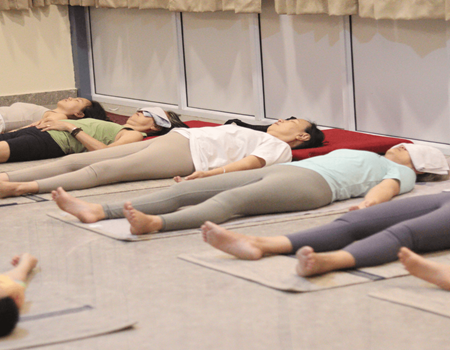
Meditation — daily sessions, usually morning and evening. Beginners often struggle with a wandering mind (welcome to being human), but by week two, most people notice real changes in their ability to focus and stay calm.
Yoga Philosophy — you'll study Patanjali's Yoga Sutras, the eight limbs of yoga, and the Bhagavad Gita. These aren't dry academic lectures; they're conversations about how to live a meaningful life.
Anatomy & Physiology — enough to keep your future students safe. Muscles, joints, common injuries, contraindications for poses.
Teaching Methodology — how to cue poses, design sequences, make adjustments, and manage a classroom. You'll practice teaching your classmates from the very first week, which is terrifying and wonderful in equal measure.
Shatkarma & Mantra — traditional cleansing practices and chanting. Some schools do a Ganga Aarti ceremony together, which many students describe as the most moving moment of the course.

A Typical Day at Your Training
Wondering what you're signing up for? Here's a realistic sample schedule:
6:00 AM — Wake up (yes, really — and you'll get used to it surprisingly fast)
6:30 AM — Pranayama and meditation
7:30 AM — Tea break
8:00 AM — Asana practice (the physical class)
10:00 AM — Breakfast — usually a sattvic vegetarian meal: porridge, fruit, Indian bread, lentils
11:00 AM — Anatomy or philosophy lecture
1:00 PM — Lunch
2:30 PM — Teaching methodology or self-study
4:00 PM — Evening yoga practice (often Hatha or alignment work)
6:00 PM — Free time — chai at a riverside café, journaling, or just resting
7:00 PM — Dinner
8:00 PM — Evening satsang, chanting, or Q&A with teachers
9:30 PM — Lights out (your body will demand it)
Most schools give one full day off per week, and excursions — like visiting the Beatles Ashram or attending the Ganga Aarti ceremony — are often built into the program.
How to Choose the Right School (This Matters!)
Not all schools in Rishikesh are created equal. The town has hundreds of them, and quality varies wildly. Here's how to protect yourself:
Check Yoga Alliance accreditation — properly. Go to the official Yoga Alliance website and verify the school is currently listed. Don't just trust a badge on the school's website; schools lose accreditation and keep the logo up for years.
Talk to real alumni. Any good school will connect you with past students. Ask them the unfiltered questions: Was the food decent? Did they feel supported? Were classes actually taught by experienced teachers or recent graduates?
Ask about class size. If there are forty students and one teacher, you'll get lost. Ideally, look for groups of 15–25.
Investigate the teachers. Where did they train? How many years of experience? Is the lead teacher actually present, or does the school advertise a famous guru while junior instructors do all the teaching? (This happens more than you'd think.)
Location within Rishikesh. Most schools cluster around Laxman Jhula, Tapovan, or near Triveni Ghat. Tapovan is quieter and more scenic; Triveni Ghat is livelier with easy access to markets and the famous Ganga Aarti.
Ask these questions before paying a rupee: How many students per class? What's the exact daily schedule? What's included in fees? What happens if I get injured? Can I get a certificate even if I don't plan to teach?
Cost Breakdown: What Will It Actually Cost?
Course fees in Rishikesh typically range from ₹40,000 to ₹1,50,000 (about $500–$1,800) depending on the school, accommodation type, and time of year.
Usually included:
-
The full 200-hour curriculum
-
Shared or private room (ashram-style, simple but clean)
-
Three vegetarian meals a day
-
Course materials
-
Some excursions (Ganga Aarti, Beatles Ashram, cave visits)
Extra costs to budget for:
-
Flights to India and domestic travel to Rishikesh (nearest airport is Dehradun's Jolly Grant, about 20 km away)
-
Indian e-Visa — most nationalities can get a tourist e-visa online for around $25–$100
-
Travel insurance (strongly recommended)
-
Personal spending — chai breaks, souvenirs, weekend trips to nearby Haridwar or the Neelkanth temple
Total realistic budget for a budget traveler: $1,200–$2,000 all-in for a life-changing month. For comparison, people spend more on a two-week resort vacation.

Who Can Join? (Spoiler: Probably You)
Here's the most common fear: "I'm not flexible enough."
Let me be direct — that's like saying you're too dirty to take a shower. The training is how you get flexible, strong, and knowledgeable. Most 200-hour courses are designed with genuine beginners in mind. The international mix of students usually includes plenty of people who could barely touch their toes on day one.
What you actually need:
-
Basic physical health (you'll be doing 3–4 hours of movement daily)
-
An open mind
-
Commitment to attend and participate
Age is flexible too — it's common to share a class with 20-year-olds and 60-year-olds. If you have a health condition (back issues, pregnancy, blood pressure), just tell the school beforehand. Good schools always modify poses accordingly.
What to Pack
-
Yoga mat (some schools provide them, but having your own is nicer)
-
Comfortable, breathable clothes — modest ones; Rishikesh is a spiritual town, and skin-tight or revealing clothing draws disapproval
-
Layers — mornings are cool even in summer; December–January can be genuinely cold
-
Warm shawl or meditation blanket
-
Journal — you'll want to write down thoughts from philosophy class
-
Basic medication — stomach remedies (your gut may need a few days to adjust), any personal prescriptions
-
Universal adapter for Indian sockets
What you don't need: makeup, fancy clothes, alcohol (it's banned in Rishikesh), or meat products. Leave expectations behind too — that helps more than anything.
Honest Warnings for Beginners
Because this guide would be dishonest without them:
The first week is hard. Your body will ache in places you didn't know existed. You'll wake at 6 AM and hate it. Almost everyone considers quitting around day five. Almost everyone is glad they didn't.
Ashram living is simple. Think clean rooms, bucket-style or basic showers, shared bathrooms, and no luxuries. If you need five-star comfort, this may not be for you — or book a private room upgrade.
You'll be challenged emotionally. Intense practice plus philosophy plus being away from home tends to stir things up. Students frequently cry during meditation in week two. It's normal. It's actually part of the point.
The food is vegetarian. All of it. Sattvic cooking — no onion, garlic, eggs, or meat in most schools. It's delicious, honestly, but if you're a hardcore meat-lover, prepare yourself mentally.
And yet — ask anyone who's done it, and they'll tell you the same thing: it was one of the most meaningful months of their life.

After Certification: What Comes Next?
Once you finish, you'll receive your certificate and can register with Yoga Alliance as an RYT-200. From there, paths diverge:
-
Start teaching at local studios, gyms, or community centers
-
Teach online — Zoom classes and YouTube have made this wildly accessible
-
Lead retreats once you have experience
-
Continue studying with a 300-hour course later to reach the 500-hour level
-
Simply deepen your personal practice — plenty of people do the training with zero intention to teach, and that's completely valid
A gentle truth: your first classes teaching will feel clumsy. That's fine. Every great teacher started there. Assist senior teachers, practice with friends, keep learning — and within a year or two, you'll find your voice.
The Bottom Line
A 200 Hour Yoga Teacher Training in Rishikesh is more than a certificate. It's a month of waking up to mountain air, practicing beside the oldest river on Earth, eating simple food, studying ideas that are thousands of years old, and discovering what your body and mind are actually capable of.
Will it be challenging? Absolutely. Will you be the same person afterward? Probably not — and that's the point.
Do your research, pick an accredited school, pack light, and go with an open heart. The Ganges has been flowing for millennia, patiently waiting for you to show up.
Namaste.








0 Comments
No comments yet. Be the first to comment!