


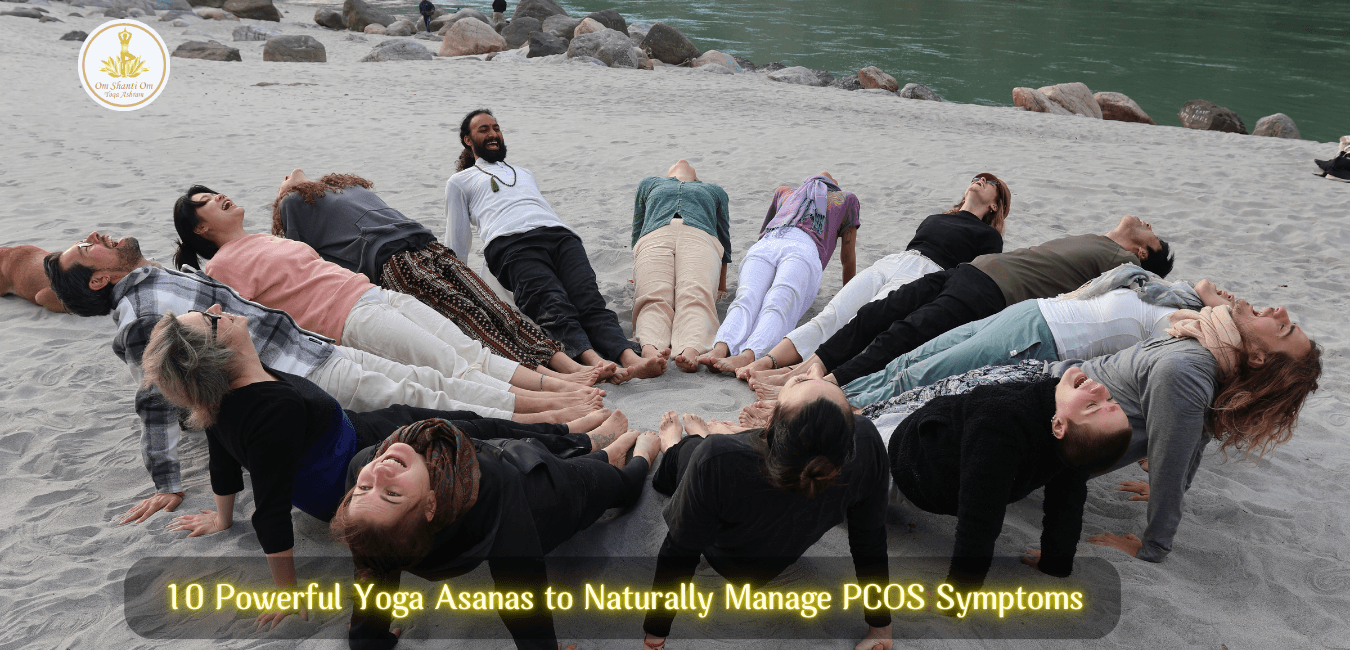
Polycystic Ovary Syndrome (PCOS) is a common endocrine disorder that affects many women of reproductive age. It is characterized by hormonal imbalances that can lead to irregular menstrual cycles, acne, excessive hair growth, weight gain, and difficulties conceiving. While there is no cure for PCOS, regular exercise and a healthy lifestyle can help manage symptoms and improve overall health. Yoga is an effective way to achieve this goal. In this blog, we will explore 10 effective yoga asanas that can help treat PCOS.
Ardha Chandrasana (Half Moon Pose)

Ardha Chandrasana is a standing pose that strengthens the legs and improves balance. It also stimulates the abdominal organs, which can help regulate hormones and improve digestion. To practice this pose, stand with your feet hip-width apart, and extend your arms above your head. Shift your weight onto your left foot and lift your right leg behind you. Place your right hand on the floor or a block, and lift your left arm toward the ceiling. Hold the pose for several breaths, then switch sides.
Bhujangasana (Cobra Pose)

Bhujangasana is a backbend that stretches the spine and chest. It also stimulates the reproductive organs and can help regulate menstrual cycles. To practice this pose, lie on your stomach with your hands under your shoulders. Press your palms into the floor and lift your chest, keeping your elbows close to your body. Hold the pose for several breaths, then release.
Dhanurasana (Bow Pose)

Dhanurasana is a backbend that strengthens the back and stretches the front of the body. It also stimulates the reproductive organs and can help regulate hormones. To practice this pose, lie on your stomach with your hands by your side. Bend your knees and reach back to grab your ankles. Lift your chest and thighs off the ground, and hold the pose for several breaths.
Paschimottanasana (Seated Forward Bend)

Paschimottanasana is a forward bend that stretches the spine and hamstrings. It also massages the abdominal organs and can help regulate hormones. To practice this pose, sit with your legs extended in front of you. Inhale and lift your arms overhead, then exhale and fold forward, reaching for your feet. Hold the pose for several breaths.
Also Read: 200 Hour Yoga Teacher Training Rishikesh, India
Setu Bandhasana (Bridge Pose)

Setu Bandhasana is a backbend that strengthens the back and stretches the chest. It also stimulates the reproductive organs and can help regulate menstrual cycles. To practice this pose, lie on your back with your knees bent and feet hip-width apart. Press your feet into the floor and lift your hips, creating a bridge shape with your body. Hold the pose for several breaths.
Supta Baddha Konasana (Reclining Bound Angle Pose)

Supta Baddha Konasana is a restorative pose that opens the hips and groin. It also stimulates the reproductive organs and can help regulate hormones. To practice this pose, lie on your back with the soles of your feet together and knees out to the sides. Place a bolster or pillow under your back for support, and relax in the pose for several minutes.
Ustrasana (Camel Pose)

Ustrasana is a backbend that stretches the front of the body and strengthens the back. It also stimulates the reproductive organs and can help regulate menstrual cycles. To practice this pose, kneel with your knees hip-width apart and your hands on your lower back. Inhale and lift your chest, then exhale and reach for your heels. Hold the pose for several breaths.
Baddha Konasana (Butterfly Pose)

This asana helps to stretch the inner thighs, groin, and hips. It also helps to stimulate the ovaries and uterus and regulate menstrual cycles.
Chakki Chalanasana (Mill Churning Pose)

This asana helps to massage the abdominal organs and regulate hormonal imbalance. It also helps to improve digestion and reduce stress.
Ardha Matsyendrasana (Half Lord of the Fishes Pose)

This asana helps to massage the abdominal organs and improve digestion. It also helps to reduce stress and balance the hormones.
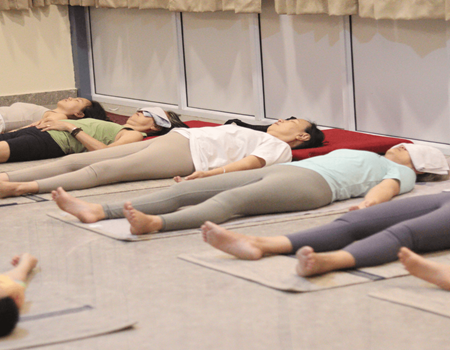
Shavasana (Corpse Pose)

This asana helps to reduce stress and calm the mind. It also helps to improve sleep quality and reduce anxiety.
Practicing these 10 effective yoga asanas can help to manage the symptoms of PCOS and improve overall health. It is important to consult a doctor before starting any new exercise routine. It is also important to practice yoga under the guidance of a certified yoga teacher to avoid any injuries or complications.








0 Comments
No comments yet. Be the first to comment!